Boost Blood Circulation After Nicotine Use
Boost Blood Circulation After Nicotine Use
When you quit using nicotine—whether from cigarettes, vaping, or smokeless tobacco—your body immediately begins to repair itself. One of the most important recovery processes is restoring healthy blood circulation. Nicotine causes blood vessels to constrict, reducing the flow of oxygen and nutrients to tissues. It can take time for your circulatory system to function optimally again, but there’s plenty you can do to support the process. Here’s how to help your body boost blood flow after nicotine use.
The Body’s Natural Recovery
Just hours after your last nicotine intake, your blood vessels start to relax, and your blood pressure begins to return to normal. Within a few weeks, many people notice warmer hands and feet and an increase in energy levels—signs that blood is flowing more freely again.
Still, full recovery can take months, especially if you’ve used nicotine for years. Supporting your circulation through movement, nutrition, and healthy habits can make a big difference.
Movement – The Best Medicine for Your Blood Vessels
Physical activity is the most effective way to improve circulation. When you move, your muscles act like pumps that help blood return to the heart. Exercise also strengthens the heart and keeps blood vessels flexible.
- Walk daily – even 20–30 minutes of brisk walking can noticeably improve circulation.
- Try cycling or swimming – both are low-impact activities that enhance blood flow without stressing your joints.
- Incorporate strength training – building muscle helps your body move blood more efficiently.
- Stretch and move your legs regularly if you sit for long periods to prevent blood from pooling in your lower limbs.
Consistency matters more than intensity. Regular, moderate activity is better than occasional hard workouts.
Nutrition That Supports Circulation
A balanced diet helps strengthen blood vessels and maintain healthy blood pressure and cholesterol levels. Focus on foods that promote vascular health and reduce inflammation.
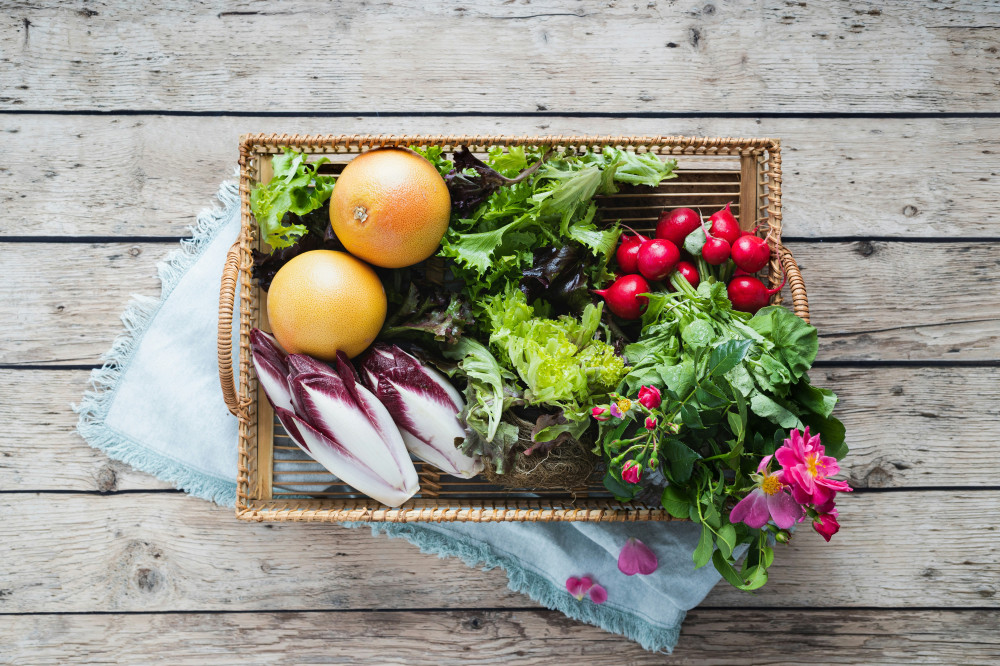
- Fruits and vegetables – especially berries, citrus, spinach, and beets, which contain antioxidants and nitrates that help dilate blood vessels.
- Fatty fish like salmon, sardines, and mackerel provide omega-3 fatty acids that improve blood flow and heart health.
- Whole grains and nuts supply fiber and healthy fats that support cardiovascular function.
- Limit salt and added sugars, which can raise blood pressure and damage vessel walls over time.
Stay hydrated—dehydration thickens the blood and can slow circulation.
Læs også:



Avoid New Strains on the Circulatory System
Even after quitting nicotine, other habits can still affect your blood vessels. Alcohol, stress, and lack of sleep can all raise blood pressure and slow recovery.
- Get enough sleep – aim for 7–8 hours per night to allow your body to repair and regulate itself.
- Manage stress through meditation, deep breathing, or calming activities like yoga.
- Limit alcohol consumption, as excessive drinking can strain your heart and liver.
Establishing stable routines helps your body regain balance and resilience.
Additional Ways to Stimulate Blood Flow
If you still experience cold hands or feet after quitting nicotine, small lifestyle adjustments can help:
- Contrast showers – alternating between warm and cool water can stimulate blood vessels.
- Massage – promotes local circulation and relieves muscle tension.
- Compression socks – useful if you experience swelling or spend long hours standing or sitting.
If circulation problems persist, consult your healthcare provider. In some cases, medical evaluation or treatment may be necessary.
Patience and Persistence
Improving blood circulation after nicotine use takes time. You may notice progress within weeks, but full recovery can take several months. Every nicotine-free day, however, gives your body a better chance to heal.
By combining regular movement, a heart-healthy diet, and mindful habits, you can restore your circulation, strengthen your cardiovascular system, and boost your overall well-being for the long term.
Læs også: