Digital Dentistry: How Technology Is Transforming the Dentist’s Work

Digital Dentistry: How Technology Is Transforming the Dentist’s Work
Technology has become an integral part of modern dental care. Where dental work once relied heavily on manual techniques and analog X-rays, today’s practices are increasingly digital. From 3D scanning and artificial intelligence to electronic health records and virtual consultations, innovation is reshaping both how dentists work and how patients experience care. But what does this transformation mean for treatment quality, and what might the future of dentistry look like?
From Impressions to 3D Scanning
One of the most visible advances in digital dentistry is the shift from traditional molds to digital 3D scans. Using a small handheld scanner, a dentist can create a precise digital model of a patient’s teeth and mouth in just minutes.
This means no more uncomfortable impression materials or long waiting times—just faster, more accurate results. The digital models can be sent directly to dental labs, where crowns, bridges, or aligners are produced with remarkable precision. Patients can even see a visual simulation of their treatment outcome on-screen, making the process more transparent and reassuring.
Artificial Intelligence as a Diagnostic Tool
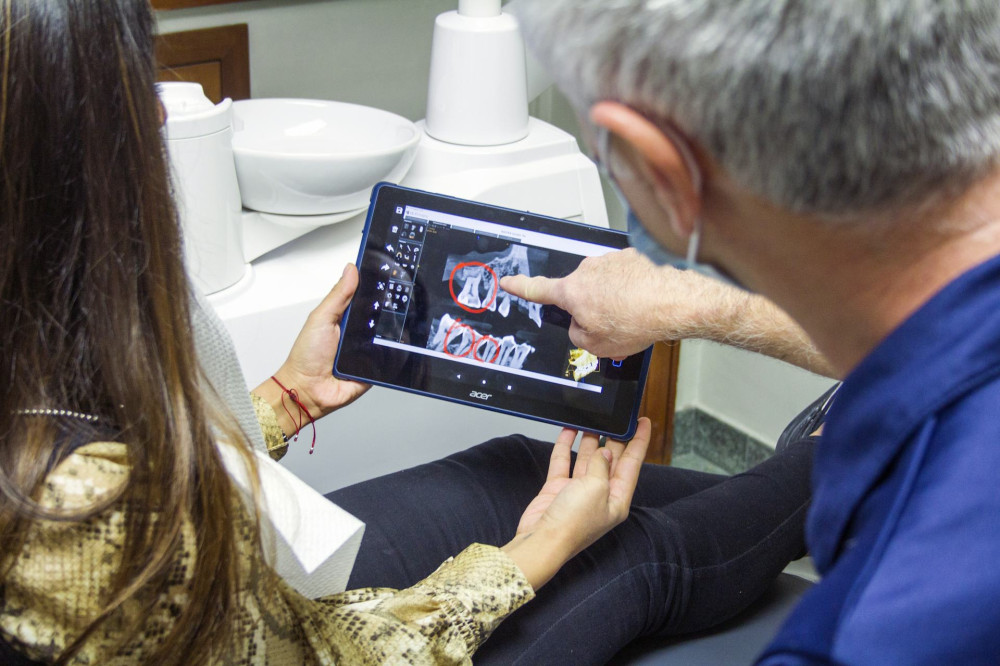
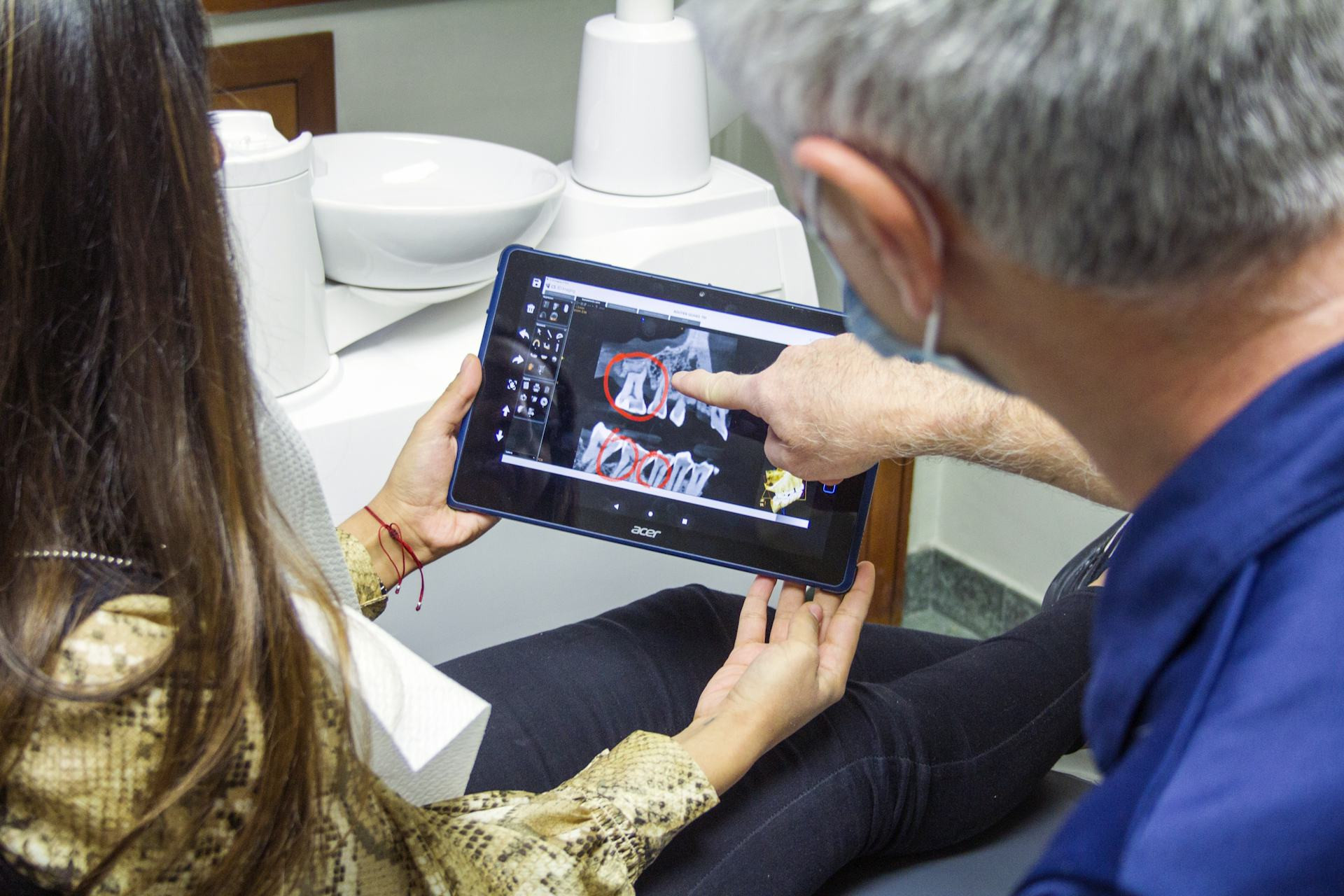
Artificial intelligence (AI) is quickly becoming a valuable assistant in dental diagnostics. By analyzing X-rays and scan data, AI systems can help detect early signs of cavities, gum disease, or other issues that might be difficult for the human eye to spot.
AI doesn’t replace the dentist—it enhances their expertise. Many U.S. dental practices report that AI improves diagnostic consistency and supports better treatment planning. It can also save time, allowing dentists to focus more on patient communication and preventive care.
Læs også:



Digital Planning and Personalized Treatments
Digital tools now allow dentists to plan treatments with unprecedented precision. Advanced software can simulate different treatment scenarios—such as orthodontic adjustments or implant placements—and show patients what the results will look like.
This shared visualization helps patients make informed decisions and gives dentists a clear roadmap for care. Integrating data from scans, X-rays, and patient records into one digital system also makes it easier to track progress and adjust treatment as needed.
Virtual Consultations and Patient Communication
The COVID-19 pandemic accelerated the adoption of virtual consultations, and many dental offices across the U.S. continue to offer online appointments. These can be especially useful for follow-ups, cosmetic evaluations, or general advice when an in-person visit isn’t necessary.
Digital platforms also make it easier to stay connected between visits. Secure apps and patient portals can send reminders for checkups, provide post-treatment instructions, and give patients access to their records. This ongoing communication helps patients take a more active role in maintaining their oral health.
Challenges and Ethical Considerations
While digital dentistry offers many benefits, it also raises important questions. How can patient data be kept secure in an increasingly digital environment? What happens if technology fails or if AI systems make incorrect assessments?
The rapid pace of innovation also demands continuous training for dentists and staff. Implementing new systems and software can be time-consuming and costly, particularly for smaller practices. Balancing technological progress with accessibility and affordability remains a key challenge.
The Future Dentist: A Digital Expert with a Human Touch
Despite all the technological change, the dentist’s core mission remains the same: to provide care, comfort, and trust. Digital tools can enhance precision and efficiency, but they can’t replace human empathy and professional judgment.
The dentist of the future will be both a technological expert and a compassionate advisor—someone who uses data and digital solutions to deliver the best possible care while still seeing the person behind the smile.
Læs også: