Dry Air and Dry Skin? How to Care for Your Skin in Low Humidity

Dry Air and Dry Skin? How to Care for Your Skin in Low Humidity
When winter rolls in or the air conditioner runs nonstop, you might notice your skin feeling tight, flaky, or dull. The culprit is often low humidity—air that lacks moisture draws water out of your skin, leaving it dry and uncomfortable. The good news? With a few smart habits and the right skincare routine, you can keep your skin soft and healthy even when the air is dry.
Why Dry Air Dries Out Your Skin
Your skin acts as a barrier that protects your body from the environment. When humidity drops, more moisture evaporates from the skin’s surface, weakening that barrier. This can lead to itching, redness, and even small cracks. Indoor heating, frequent hot showers, and harsh soaps make things worse by stripping away the skin’s natural oils.
That’s why good skincare in dry conditions means thinking beyond just creams—it’s about how you care for your skin and your surroundings.
Læs også:
Improve Your Indoor Environment
Start by checking the humidity levels in your home. During winter or in air-conditioned spaces, indoor humidity can drop below 30%, far lower than the ideal range of 40–60%.
- Use a humidifier – Adding moisture to the air can make a noticeable difference for your skin, lips, and even your sinuses.
- Ventilate regularly – Letting in fresh air helps balance humidity and temperature.
- Avoid overheating your home – Keep the thermostat around 68–70°F to prevent the air from drying out too much.
- Add houseplants – Green plants release moisture and help create a more comfortable indoor climate.
Small environmental changes can reduce how much extra skincare your skin needs and help it stay resilient.
Moisturize with Both Hydration and Protection
When the air is dry, your skin needs both water and oil. Hydrating ingredients help bind water in the skin, while emollients and occlusives form a protective layer that prevents moisture loss.
- Use a gentle, fragrance-free cleanser – Avoid products with alcohol or sulfates, which can strip your skin.
- Apply moisturizer right after bathing – Your skin absorbs moisture best when it’s still slightly damp.
- Choose a richer cream or ointment at night – Focus on areas like hands, feet, and cheeks that tend to get driest.
- Protect your lips – Use a balm with beeswax, shea butter, or petroleum jelly to prevent chapping.
If you have very dry or sensitive skin, look for ingredients like glycerin, hyaluronic acid, or ceramides, which help strengthen the skin’s barrier.
Be Gentle in the Shower
A long, hot shower might feel relaxing, but it can be tough on your skin. Heat dissolves natural oils, and water evaporates quickly afterward, leaving your skin even drier.
- Keep showers short—5 to 10 minutes is enough.
- Use lukewarm water instead of hot.
- Limit soap use, especially on arms and legs.
- Pat your skin dry with a towel instead of rubbing.
Always follow up with a moisturizer to lock in hydration.
Hydrate from the Inside Out
Your skin’s moisture balance also depends on what you drink and eat. Stay hydrated by drinking water throughout the day, and include foods rich in healthy fats—like salmon, walnuts, and avocados. These provide essential fatty acids that help maintain your skin’s elasticity and barrier function.
If your skin tends to be very dry, an omega-3 supplement can be helpful, but it should complement a balanced diet, not replace it.
Extra Care During Winter
Cold winds and freezing temperatures can be especially harsh on your skin. Before heading outdoors, apply a rich moisturizer and cover exposed skin with a scarf, gloves, and layers. Avoid using water-based creams right before going out in freezing weather—they can make dryness worse.
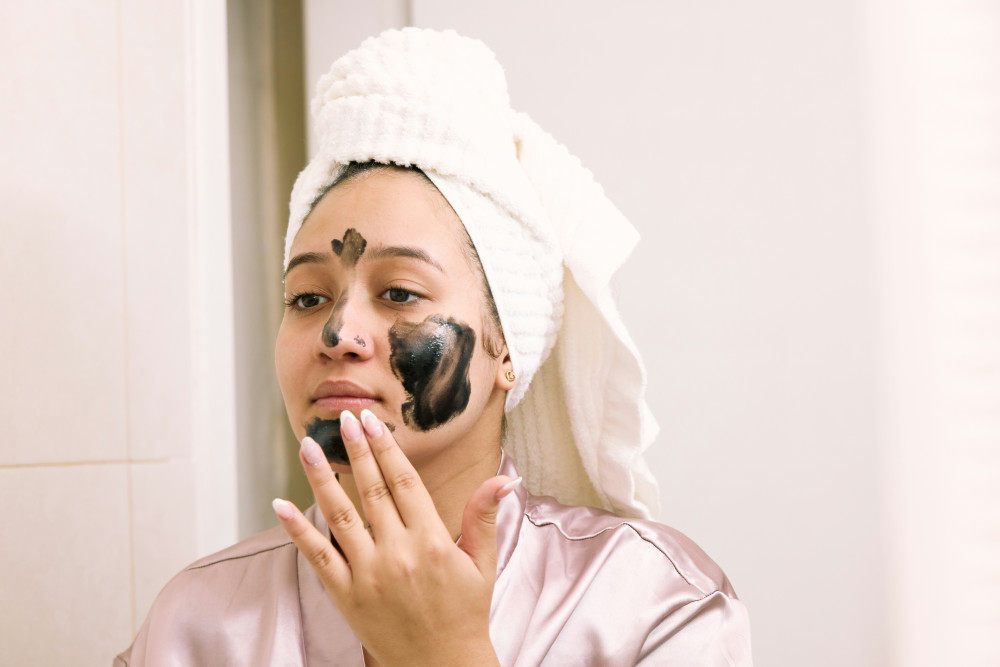
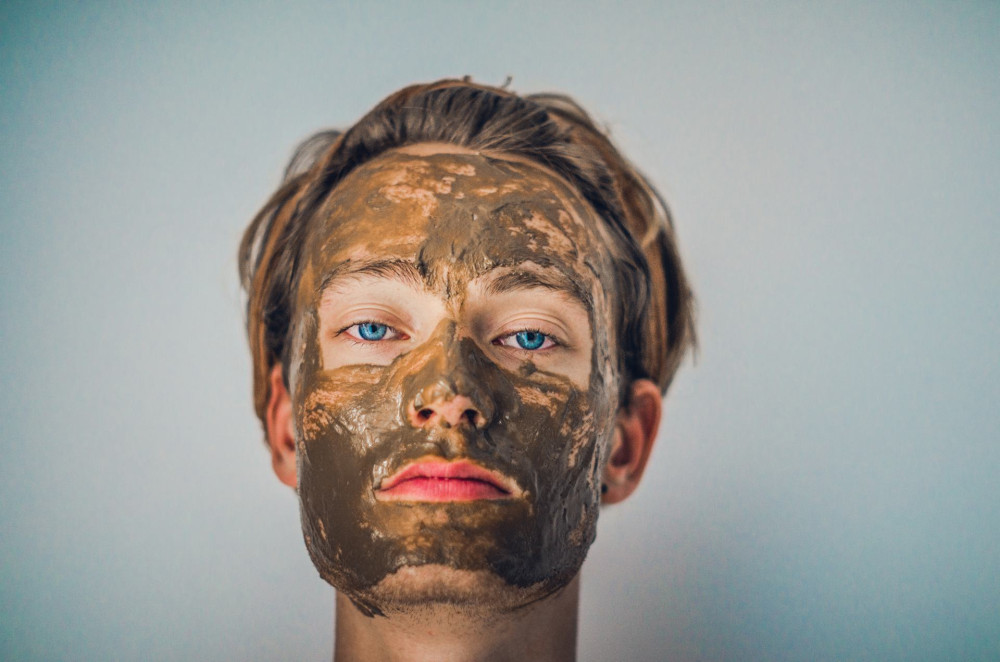
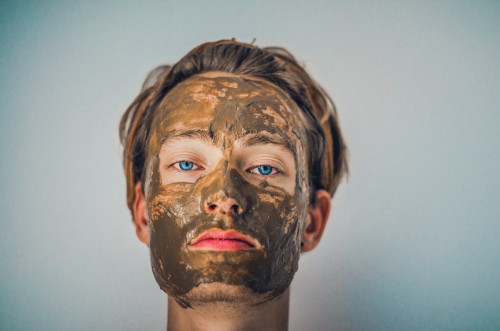
At night, treat your skin to a nourishing mask or facial oil to help it recover and rebuild its protective barrier.
A Habit That Pays Off
Caring for your skin in dry air isn’t about luxury—it’s about maintenance. When you make hydration and protection part of your daily routine, you’ll notice the difference: less tightness, fewer flakes, and a healthy, natural glow. It doesn’t take expensive products—just consistency and attention to what your skin needs.
Læs også: