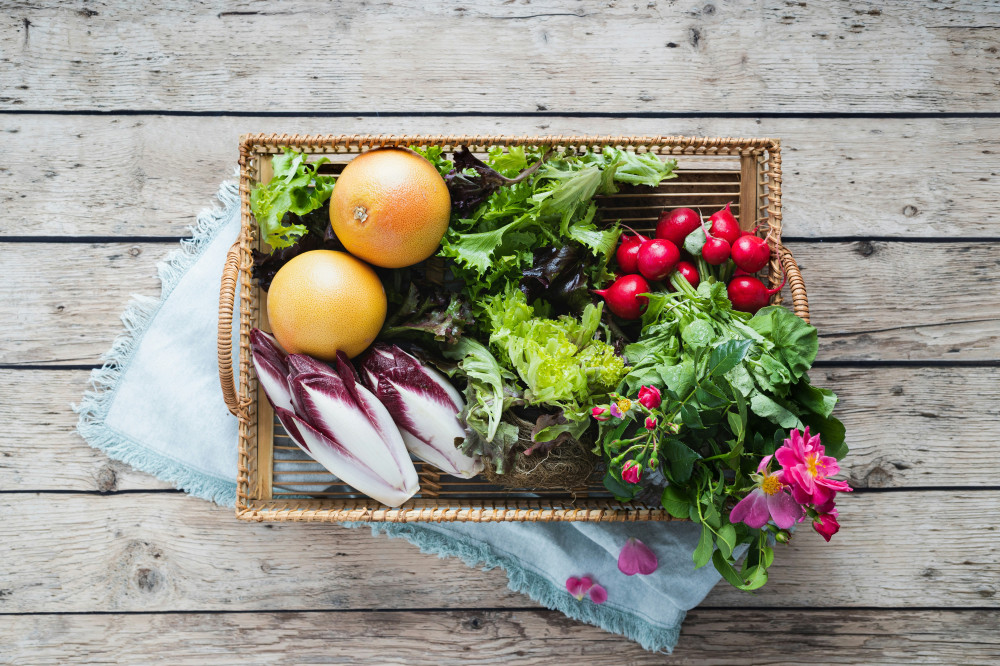
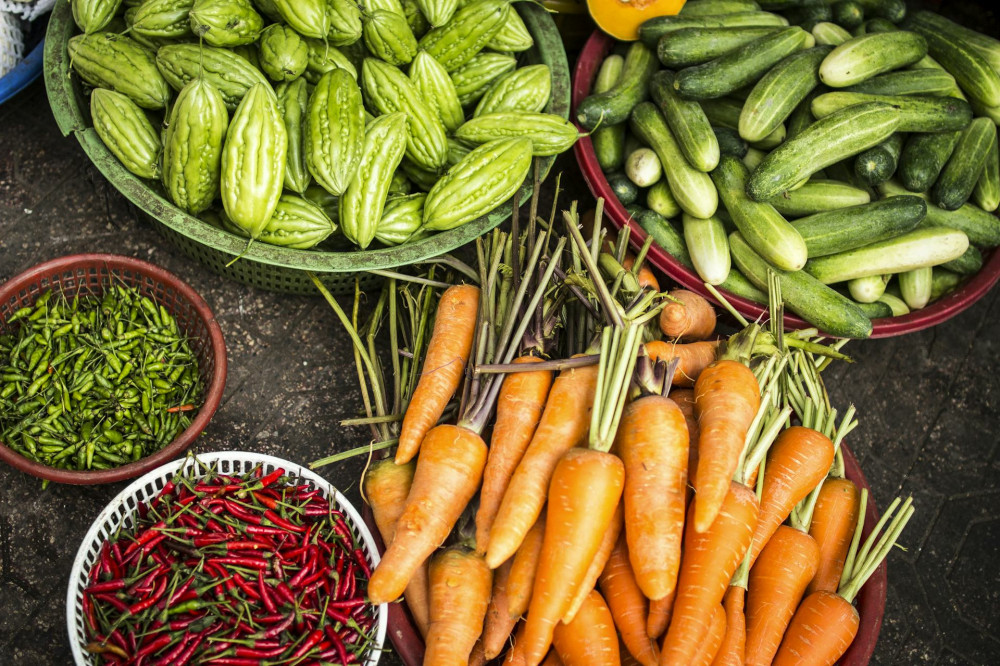
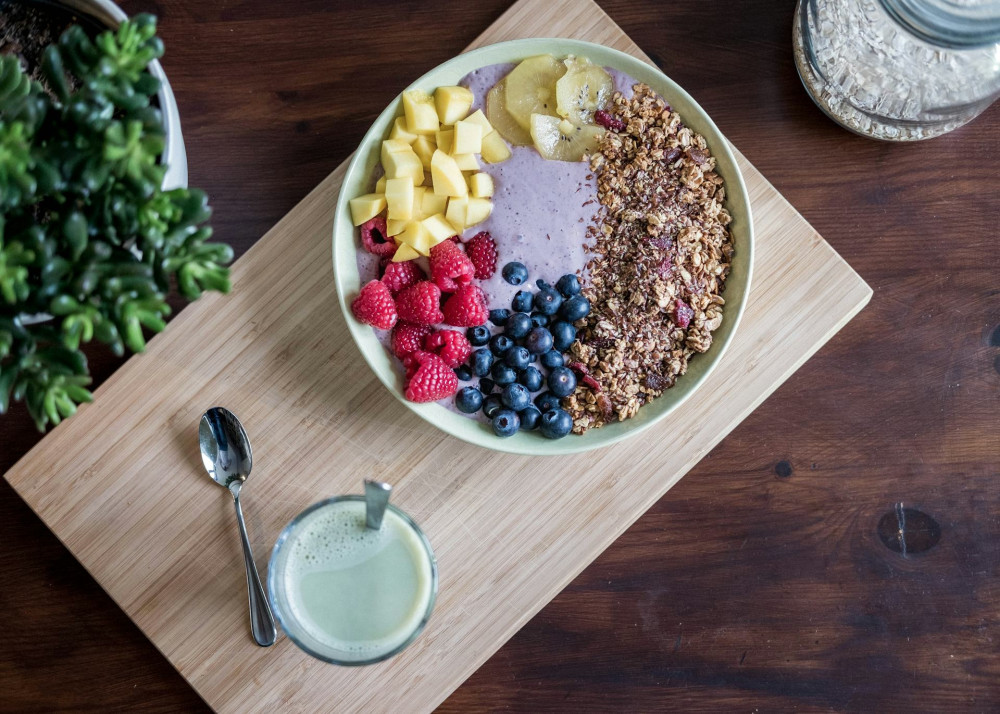
Fruits and Vegetables as Flavor Boosters: Create Healthy Dishes with Nature’s Colors

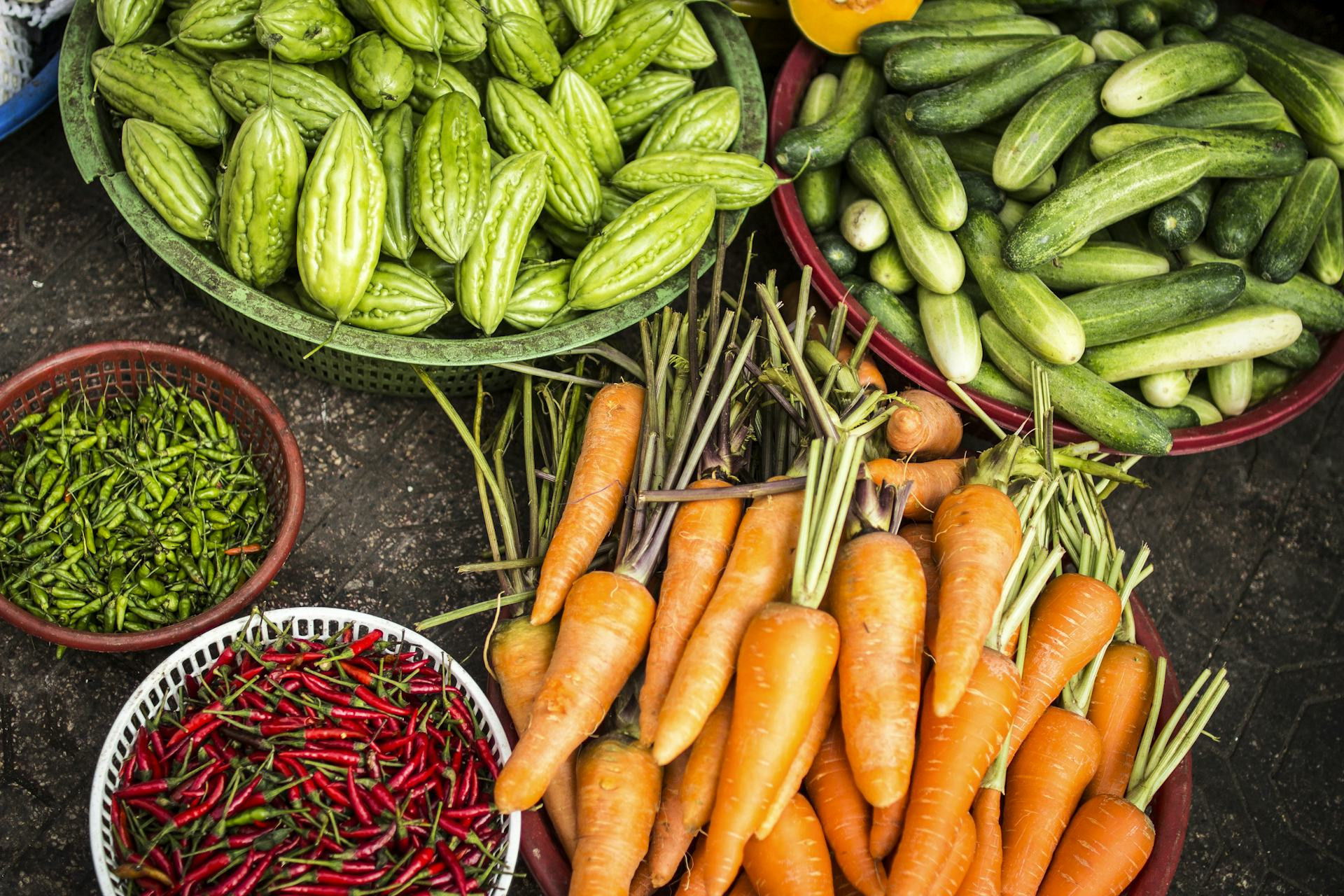
Fruits and Vegetables as Flavor Boosters: Create Healthy Dishes with Nature’s Colors
Fruits and vegetables aren’t just good for your health—they’re nature’s own flavor enhancers. When you use them creatively in your cooking, you can transform everyday meals into colorful, vibrant dishes full of depth and freshness. It’s not only about vitamins and fiber; it’s about letting nature’s colors and aromas elevate your food. Here’s how you can make fruits and vegetables the stars of your kitchen.
Colors That Spark the Appetite
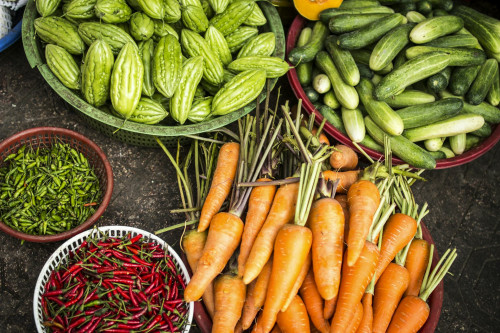
We eat with our eyes first, and the colors on our plate influence how we perceive flavor. A dish filled with greens, reds, and oranges looks more inviting than one in a single tone. Those colors also reflect different nutrients—red tomatoes are rich in lycopene, orange carrots in beta-carotene, and dark leafy greens like spinach in iron and folate.
When planning your meals, think in colors as a way to ensure variety and balance. Try roasting a mix of golden beets, purple carrots, and sweet potatoes, then top them with fresh herbs and a sprinkle of pomegranate seeds. The result is a dish that’s as beautiful as it is flavorful.
Vegetables as the Flavor Foundation
Vegetables can do much more than play a supporting role—they can form the very base of a dish’s flavor. Onions, garlic, celery, and carrots are classic examples, forming the foundation of soups, stews, and sauces. When sautéed slowly, they release natural sugars that create a deep, rounded taste.
You can also use vegetables to build umami—the savory “fifth taste” that adds richness and depth. Mushrooms, tomatoes, and eggplant are great for this. Add sun-dried tomatoes to pasta sauce or roasted mushrooms to a grain bowl for a satisfying flavor without relying on excess salt or fat.
Fruit as a Fresh Contrast
Fruit can bring a surprising and refreshing twist to savory dishes. Its natural sweetness and acidity help balance flavors and add complexity. Think apples in a chicken salad, mango in a curry, or orange segments in a kale salad—each adds brightness and contrast.
Citrus fruits are especially versatile. Their juice adds acidity to dressings and marinades, while the zest provides aromatic intensity. A touch of lemon zest over roasted vegetables or fish can completely transform the dish.
Læs også:



Cook with the Seasons
Flavor is at its best when produce is in season. A tomato ripened in the summer sun tastes far better than one grown in a greenhouse in winter. By following the rhythm of the seasons, you’ll enjoy better flavor, more variety, and a naturally balanced diet.
In spring, look for asparagus, peas, and strawberries. Summer brings an abundance of berries, tomatoes, and corn. Fall offers apples, squash, and root vegetables, while winter is the time for hearty greens, leeks, and citrus. Let the season guide your menu, and your meals will always feel fresh and satisfying.
Season with Nature’s Herbs
Herbs are nature’s tiny flavor powerhouses. Fresh basil, thyme, mint, or cilantro can completely change a dish’s character. Use them generously but thoughtfully—strong herbs like rosemary and sage should be used sparingly, while parsley and chives can be added more freely.
Experiment with pairing fruits and herbs for unexpected harmony. Strawberries with basil, watermelon with mint, or orange with rosemary are classic combinations that balance sweetness and freshness beautifully.
Make It Easy Every Day
Using fruits and vegetables as flavor boosters doesn’t have to be complicated. Small changes can make a big difference:
- Add grated vegetables to meatloaf or burgers for extra moisture and flavor.
- Use fresh herbs as a finishing touch instead of extra salt.
- Make a quick salsa with tomatoes, onions, and lime for fish or chicken.
- Blend ripe fruit into dressings or smoothies for natural sweetness.
Once you start experimenting, you’ll discover endless ways to let nature’s colors and flavors shine.
Joyful Cooking with a Healthy Bonus
Letting fruits and vegetables take center stage isn’t just about eating healthy—it’s about enjoying food. Working with fresh ingredients, aromas, and colors turns cooking into a sensory experience. And as a natural bonus, you’ll be nourishing both your body and the planet.
So next time you step into the kitchen, let nature’s palette inspire you. Use fruits and vegetables as your main flavor boosters—and see how healthy food can be anything but boring.
Læs også: