Help Your Child Build a Positive Body Image – Even When Weight Becomes a Challenge


Help Your Child Build a Positive Body Image – Even When Weight Becomes a Challenge
As children grow and become more aware of their bodies, they also begin to absorb messages from the world around them—messages that can be confusing or even hurtful. In a culture where social media, advertising, and peer pressure often promote narrow beauty ideals, many kids start to question whether their bodies are “good enough.” If weight becomes a sensitive topic, your support as a parent can make all the difference. You can help your child develop a healthy, confident relationship with their body—no matter its size or shape.
Body Image Starts at Home
Children learn how to think and talk about bodies by watching and listening to the adults around them. If you often comment on your own weight or appearance, your child may pick up the idea that bodies are something to be judged or fixed.
Try shifting the focus from how bodies look to what they can do. Talk about strength, energy, and movement—not pounds or calories. When you model self-acceptance and gratitude for your own body, your child learns that their body is something to appreciate, not criticize.
When Weight Becomes a Concern
If your child is struggling with being over- or underweight, it’s natural to want to help. But turning weight into a “project” can backfire. The goal should be to build healthy habits and a positive relationship with food—not to chase a number on the scale.
- Avoid labeling your child or others as “fat” or “skinny.” Instead, talk about health, energy, and well-being.
- Eat together as a family whenever possible, and make mealtimes relaxed and enjoyable.
- Don’t use food as a reward or punishment. This can create guilt or anxiety around eating.
- Involve your child in meal planning and cooking. It builds curiosity and ownership around food choices.
If you’re worried about your child’s weight, talk privately with your pediatrician or a registered dietitian. Avoid discussing these concerns in front of your child—what they need most is to feel supported, not scrutinized.
Helping Kids Decode Media Messages
Children and teens are constantly exposed to images of “perfect” bodies online and in the media. Help your child understand that many of these images are filtered, edited, or staged—and that they don’t reflect real life. Talk about how social media often promotes unrealistic ideals and how beauty comes in many forms.
Ask your child how they feel about their own body compared to what they see online. These conversations can open the door to important discussions about self-worth, comparison, and authenticity.
Build Self-Esteem, Not Just Confidence
A positive body image is closely tied to strong self-esteem. When children feel loved and valued for who they are—not for how they look—they become more resilient to outside pressures.
Praise your child for qualities like kindness, creativity, effort, and courage—not just achievements or appearance. Encourage them to explore their interests and strengths so they develop a sense of identity that goes far beyond their body.
Læs også:

Movement as Joy, Not Obligation
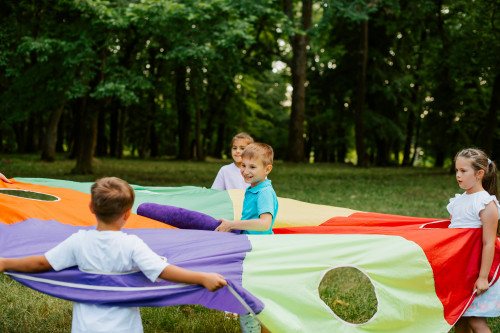
Physical activity is essential for both physical and emotional health, but it should feel fun and meaningful. When exercise is tied to guilt or weight loss, it loses its positive impact.
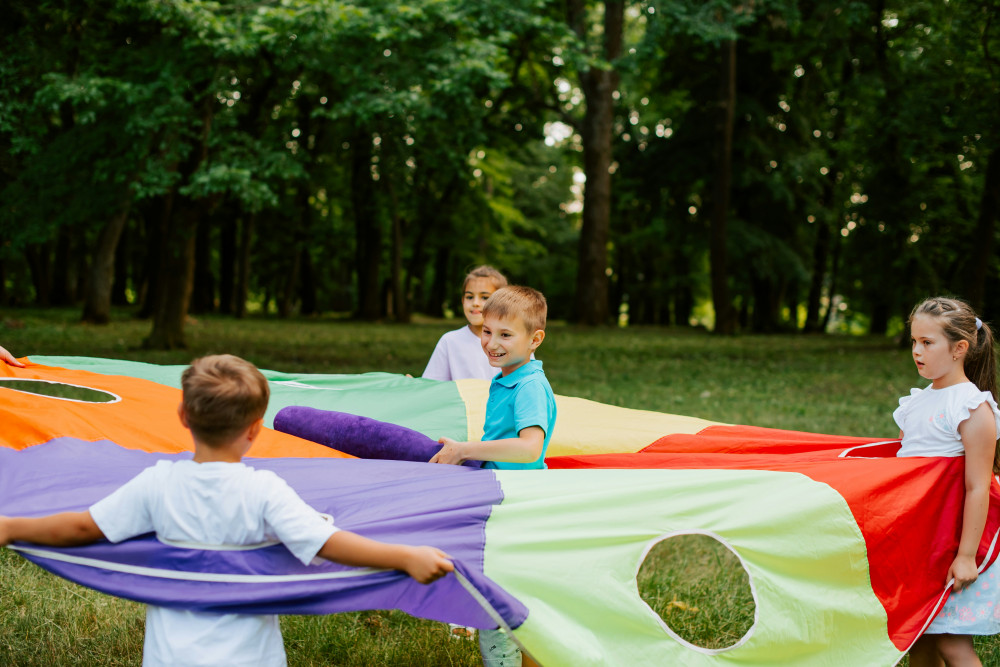
Help your child find activities they truly enjoy—whether it’s dancing, swimming, soccer, hiking, or just playing outside. When movement becomes a natural and joyful part of daily life, it supports both body confidence and overall well-being.
When You’re Unsure Yourself
Parenting around body image can be tricky, especially if you’ve struggled with your own. Maybe you grew up hearing negative messages about weight or appearance. That’s okay—it’s never too late to change the conversation.
Be honest with your child that you’re learning too. This shows them that it’s normal to grow and that self-acceptance is a lifelong process. What matters most is that your child feels you’re on their side, no matter what the scale says.
A Body Image That Lasts
Building a positive body image isn’t about ignoring health—it’s about creating a foundation of respect, acceptance, and care. When children learn to see their bodies as allies rather than enemies, they gain the confidence and resilience to thrive—both physically and emotionally.
Supporting your child in this journey takes time, patience, and love. But it’s one of the most powerful gifts you can give—a sense of self-worth that lasts a lifetime.
Læs også: