Home Measurements as a Supplement to the Doctor’s Health Assessment

Home Measurements as a Supplement to the Doctor’s Health Assessment
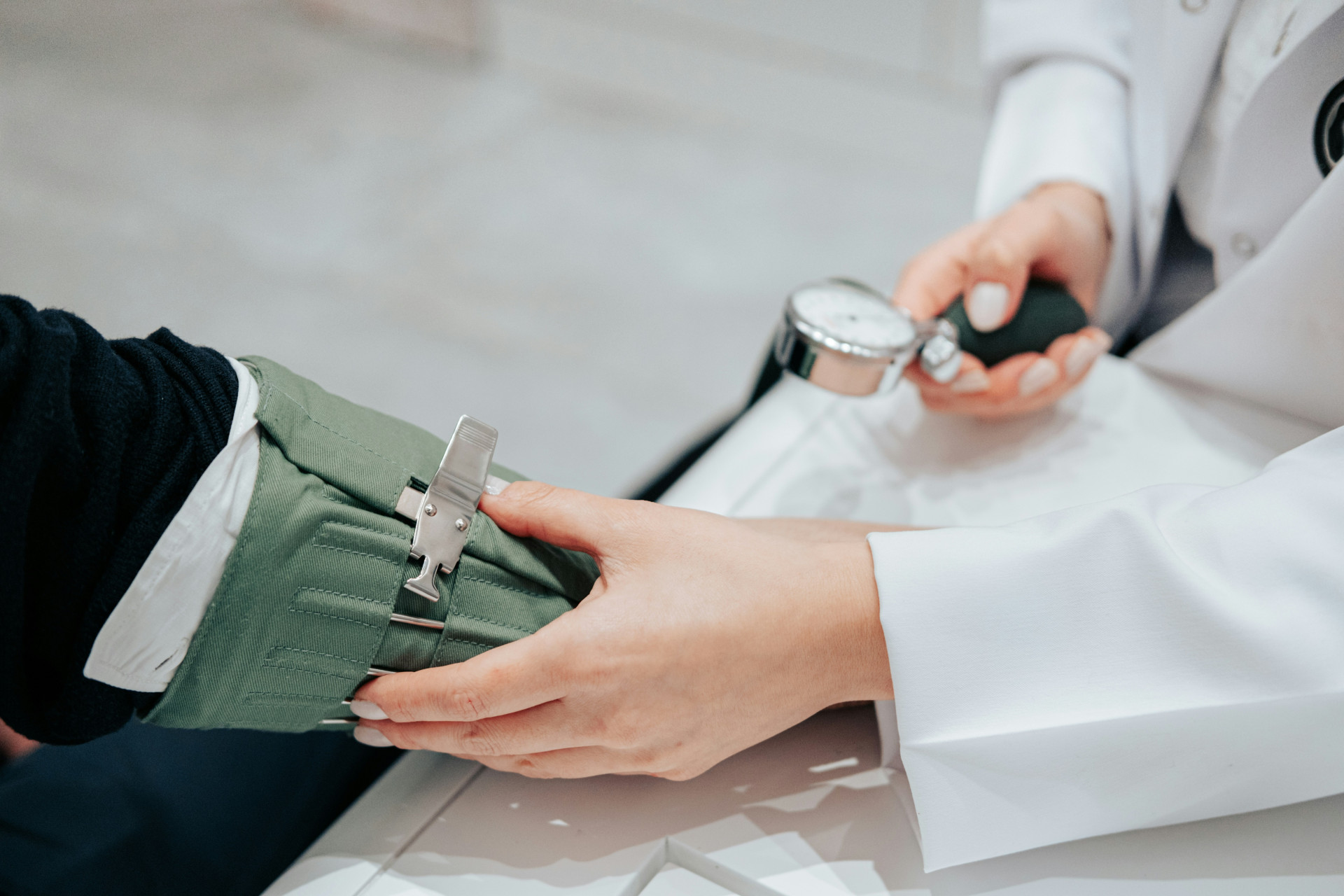
As technology becomes more integrated into everyday life, many Americans now have the tools to monitor their health more closely than ever before. Smartwatches, blood pressure monitors, glucose meters, and digital scales make it easy to take measurements at home—quickly, conveniently, and often with automatic tracking through an app. But how can these home measurements complement a doctor’s professional assessment, and where is the line between useful insight and unnecessary worry?
A New Layer of Everyday Insight
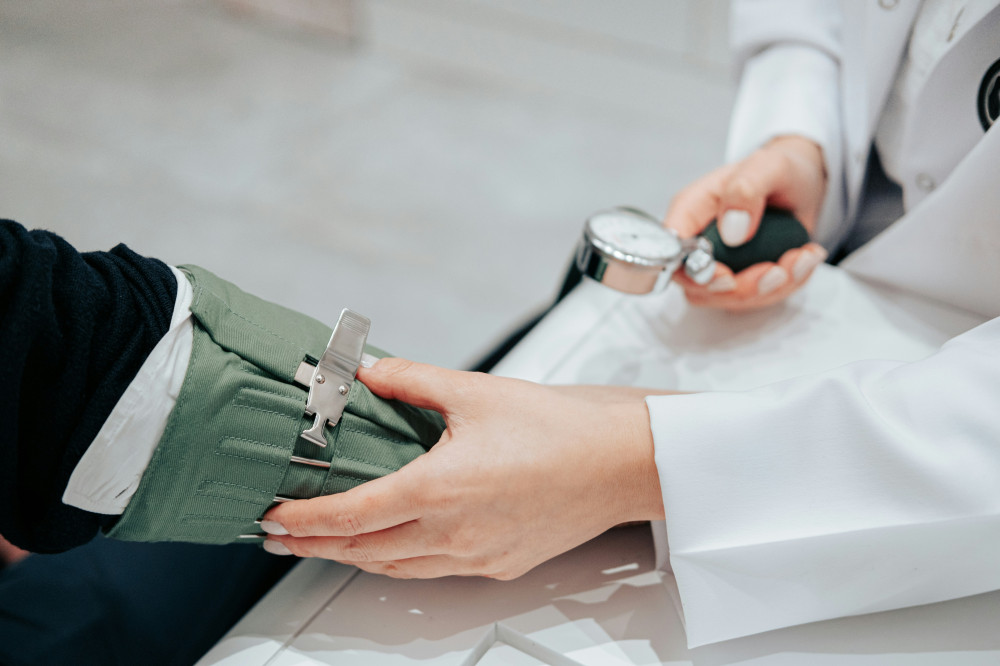
Home measurements provide a more detailed picture of how the body functions in daily life—not just during a brief doctor’s visit. A single blood pressure reading at the clinic can be influenced by stress or anxiety, while repeated measurements at home may reveal a more accurate average.
For people managing chronic conditions such as diabetes, hypertension, or heart disease, home monitoring can be an important tool for tracking progress and detecting changes early. This information can help both patient and physician make better decisions about treatment and lifestyle adjustments.
The Benefits of Measuring at Home
There are several advantages to incorporating home measurements into your healthcare routine:
- Early detection of changes: Small shifts in blood pressure, heart rate, or weight can be noticed before they develop into more serious issues.
- Improved communication with your doctor: Bringing concrete data to an appointment can make discussions more focused and productive.
- Greater ownership of your health: Many people find that tracking their numbers increases awareness of daily habits and motivates healthier choices.
- Convenience and reassurance: You can measure when it suits you and gain a sense of control over your own well-being.
When Data Becomes Overwhelming
While home measurements can be empowering, they can also lead to unnecessary concern. It’s easy to fall into the habit of measuring too often or misinterpreting small fluctuations as signs of illness. The body naturally varies from day to day, and minor deviations are rarely cause for alarm.
That’s why it’s important to view home data as a supplement—not a substitute—for professional medical evaluation. Your doctor can help interpret the results and determine what’s normal for you.
A good approach is to discuss with your healthcare provider how often to measure and which values are most relevant. This helps you focus on meaningful information rather than getting lost in numbers.
Læs også:


Accuracy and Reliability
Not all devices measure equally well. If you plan to use your readings as part of your health assessment, choose equipment that is clinically validated and approved by the FDA or another recognized authority. Many pharmacies and medical supply stores can advise on reliable products.
Proper use is just as important as device quality. Read the instructions carefully and follow recommendations for when and how to measure. For example, blood pressure should be taken while at rest and at the same time each day for consistent results.
The Partnership Between Technology and Expertise
The best outcomes occur when home measurements and professional medical expertise work together. Technology can provide a more nuanced view of your daily health, but it takes a doctor’s experience to interpret the data in context.
More healthcare systems and clinics in the U.S. are beginning to integrate patient-generated data into electronic health records. This can make appointments more efficient and allow for more personalized care. At the same time, it raises important questions about data privacy and patient understanding of how their information is used.
A Tool for Taking Responsibility—With Care
Home measurements can be a powerful way to take an active role in your health, offering insight, motivation, and reassurance. But they should be used thoughtfully. Numbers alone don’t tell the whole story, and professional guidance remains essential.
The key is to see home monitoring as a collaborative tool between you and your doctor. When used wisely, technology can strengthen prevention, treatment, and your understanding of how your body responds to everyday life.
Læs også: