Seasonal Changes and Your Skincare – How to Adapt to the Climate

Seasonal Changes and Your Skincare – How to Adapt to the Climate
Our skin is constantly responding to the environment around us. Temperature, humidity, wind, and sunlight all influence how it feels and what it needs. That’s why adjusting your skincare routine with the seasons is essential—not only to maintain a healthy glow but also to protect your skin’s natural balance. Here’s a guide to help you adapt your routine as the climate shifts across the year.
Winter: Protect Against Cold and Dry Air
When temperatures drop and indoor heating kicks in, the air becomes drier, and your skin can lose moisture more easily. Many people experience tightness, flakiness, and redness during the winter months. The goal is to strengthen your skin barrier and lock in hydration.
- Switch to a richer moisturizer – Look for ingredients like shea butter, ceramides, or hyaluronic acid to help retain moisture and prevent dryness.
- Avoid overly hot showers – Hot water strips away natural oils. Use lukewarm water and a gentle, fragrance-free cleanser instead.
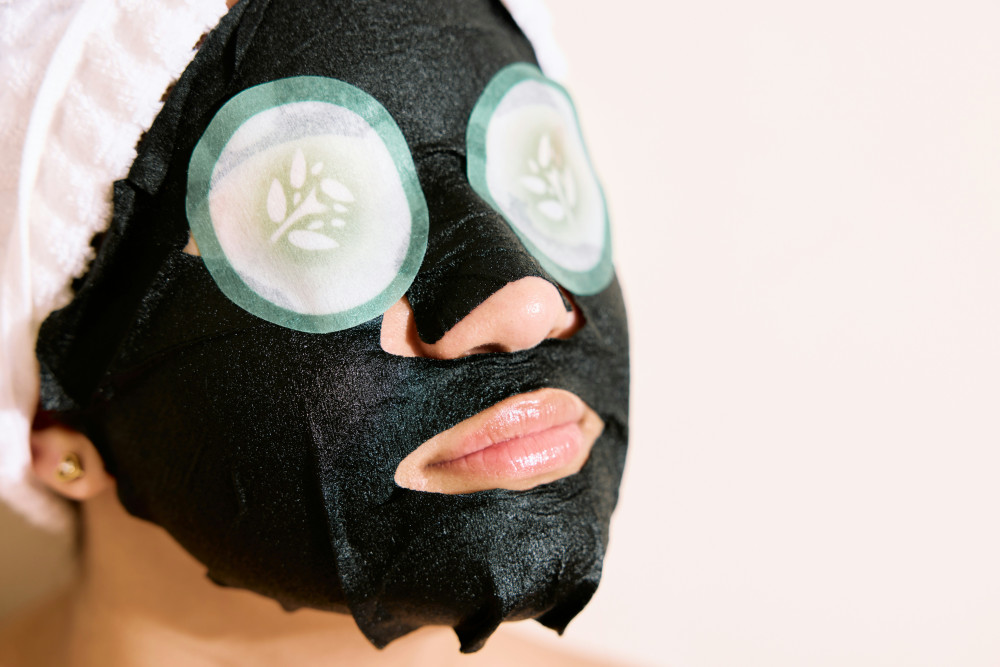
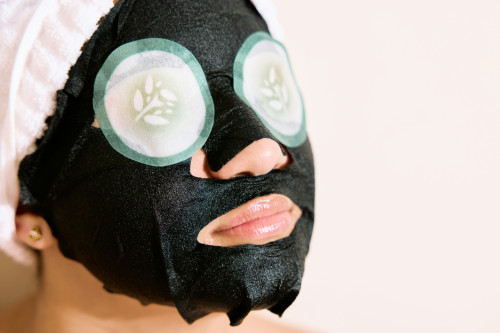
- Add hydrating masks a few times a week to give your skin an extra boost.
- Don’t skip sunscreen – Even in winter, UV rays can damage your skin, especially if you’re skiing or spending time in snowy areas where sunlight reflects off the surface.
Læs også:

Spring: Renew and Prepare Your Skin
After months of cold weather, your skin may look dull or feel rough. Spring is the perfect time to refresh your complexion and prepare for more time outdoors.
- Exfoliate gently to remove dead skin cells and encourage renewal. Try a mild chemical exfoliant or an enzyme-based mask.
- Switch to lighter textures – As humidity rises, a lightweight moisturizer may be all you need.
- Incorporate antioxidants like vitamin C to protect against free radicals and revive your skin’s natural radiance.
- Start daily sun protection – UV levels increase quickly in spring, so make sunscreen a non-negotiable part of your morning routine.
Summer: Protect and Balance
Summer brings heat, humidity, and more sun exposure. Your skin may produce more oil and sweat, so focus on keeping it protected and balanced without feeling heavy.
- Use a lightweight, oil-free moisturizer with soothing ingredients like aloe vera or niacinamide.
- Sunscreen is essential – Choose a broad-spectrum SPF 30 or higher, and reapply every two hours, especially if you’re swimming or sweating.
- Cleanse thoroughly morning and night to remove sunscreen, sweat, and impurities.
- Cool and calm your skin with a hydrating mist or a soothing mask after sun exposure.
If you spend a lot of time outdoors, wear a wide-brimmed hat and seek shade during peak sunlight hours.
Fall: Restore Moisture and Strengthen the Barrier
After months of sun and heat, your skin may need recovery time. Fall is the transition period to rebuild hydration and prepare for cooler weather.
- Add a hyaluronic acid serum to restore moisture levels.
- Use a gentle cleanser to avoid stripping your skin as temperatures drop.
- Introduce a night cream or facial oil to strengthen your skin barrier and prepare for winter dryness.
- Continue using sunscreen – UV rays are still present, even on cloudy or cooler days.
Know Your Skin – and Listen to It
While the seasons offer a helpful framework, the most important thing is to pay attention to how your skin responds. Some people need extra hydration year-round, while others focus on oil control during the summer. Your skin’s needs can also change with age, hormones, and lifestyle.
Make adjustments gradually—try one change at a time and observe how your skin reacts. This mindful approach helps you find the balance that works best for you and your local climate.
Skincare in Tune with Nature’s Rhythm
Adapting your skincare routine to the seasons isn’t about buying new products every few months—it’s about understanding your skin’s natural rhythm. When you align your routine with the changing climate, you help your skin stay strong, supple, and radiant all year long.
Læs også: