Iron in Your Diet: Why It Matters – and How to Get Enough

Iron in Your Diet: Why It Matters – and How to Get Enough
Iron is one of the body’s most essential minerals – yet many Americans don’t get enough of it. It plays a key role in carrying oxygen through the blood, supporting energy production, and maintaining overall health. Too little iron can lead to fatigue, poor concentration, and a weakened immune system. Here’s a guide to why iron matters, how to recognize a deficiency, and how to make sure you’re getting enough through your diet.
Why Your Body Needs Iron
Iron is a vital component of hemoglobin – the protein in red blood cells that transports oxygen from your lungs to the rest of your body. Without enough iron, your body can’t produce sufficient hemoglobin, meaning your muscles and organs receive less oxygen. The result is often tiredness, dizziness, and reduced physical performance.
Iron also supports enzymes involved in energy metabolism, brain function, and immune defense. Even a mild deficiency can affect your mood, focus, and resistance to illness.
Læs også:

Who Is Most at Risk for Iron Deficiency?
While everyone needs iron, some groups are more likely to fall short:
- Women of childbearing age, due to blood loss during menstruation.
- Pregnant women, whose iron needs increase significantly to support the growing baby.
- Infants, children, and teens, who need extra iron for growth and development.
- Vegetarians and vegans, since plant-based iron is less easily absorbed than iron from animal sources.
- Older adults, who may eat less or absorb nutrients less efficiently.
If you belong to one of these groups, it’s worth paying extra attention to your iron intake – and asking your healthcare provider to check your iron levels if you’re concerned.
Foods Rich in Iron
Iron is found in many foods, but not all forms are absorbed equally well. There are two main types:
- Heme iron, found in animal products like meat, poultry, and seafood. It’s absorbed efficiently by the body.
- Non-heme iron, found in plant foods such as beans, lentils, and grains. It’s absorbed less efficiently but can be improved with the right food combinations.
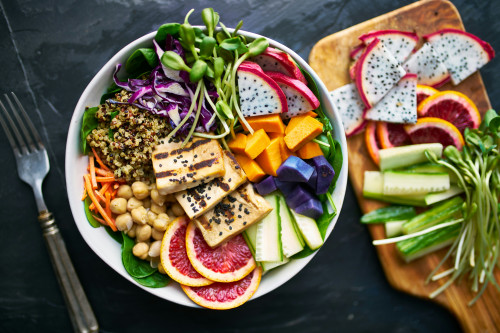
Some of the best dietary sources of iron include:
- Red meat and organ meats – especially beef, liver, and chicken liver.
- Seafood – such as clams, oysters, tuna, and salmon.
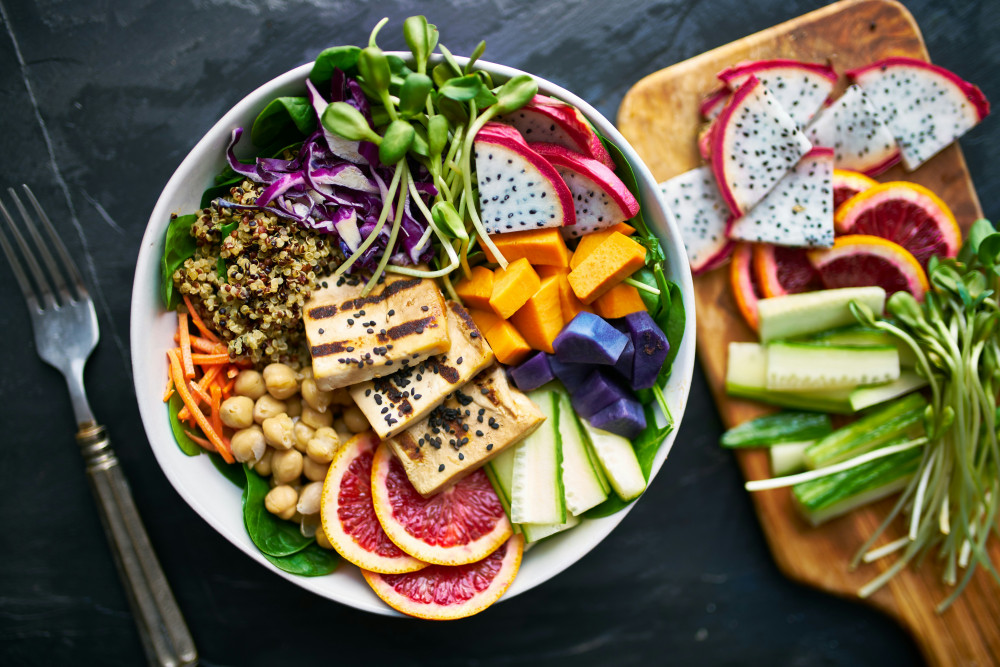
- Legumes – lentils, chickpeas, black beans, and kidney beans.
- Fortified cereals and whole grains – many breakfast cereals in the U.S. are enriched with iron.
- Leafy greens – spinach, kale, and collard greens.
- Nuts and seeds – pumpkin seeds, cashews, and sesame seeds.
- Dried fruit – raisins, apricots, and prunes.
How to Boost Iron Absorption
Even if you eat iron-rich foods, your body may not absorb all the iron available. Fortunately, a few simple habits can make a big difference:
- Pair iron with vitamin C – foods like citrus fruits, bell peppers, or a glass of orange juice can significantly increase absorption.
- Avoid coffee and tea with meals, as they contain compounds that block iron absorption.
- Combine plant-based and animal-based iron sources if you eat meat – the heme iron helps your body absorb more non-heme iron.
- Be mindful of calcium, which can interfere with iron absorption in large amounts. Try to consume dairy products at different meals from your main iron sources.
Signs of Iron Deficiency
Iron deficiency often develops gradually, and symptoms can be subtle at first. Common signs include:
- Persistent fatigue or low energy
- Pale skin or cold hands and feet
- Headaches or dizziness
- Rapid heartbeat or shortness of breath
- Brittle nails or hair loss
- Difficulty concentrating or feeling mentally foggy
If you notice several of these symptoms, talk to your doctor. A simple blood test can determine whether you’re low in iron and whether supplements might be needed.
Should You Take an Iron Supplement?
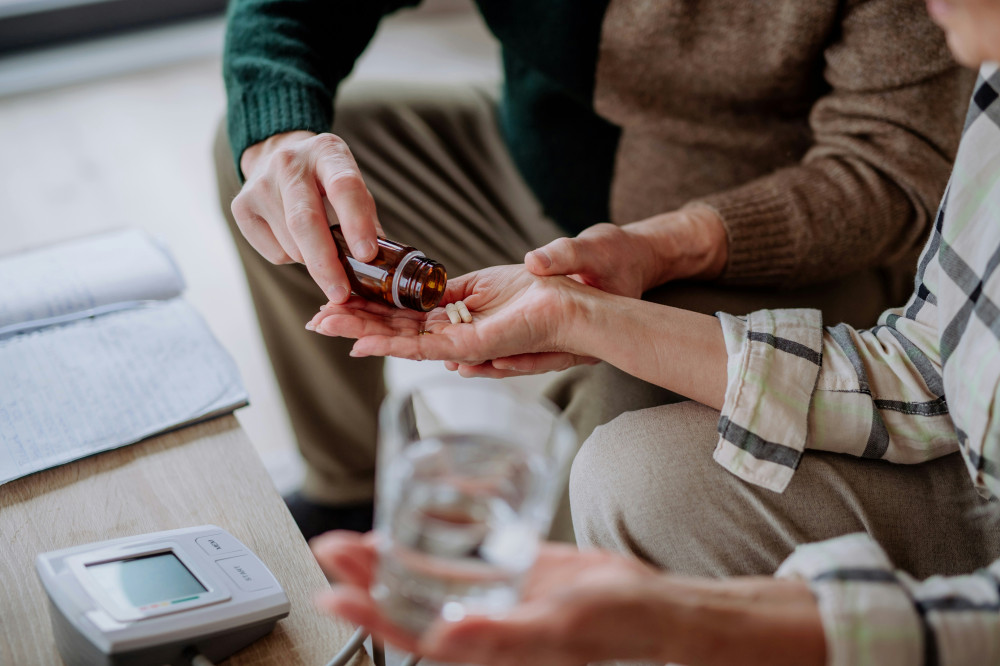
Most people can meet their iron needs through a balanced diet. However, in some cases – such as during pregnancy or when a deficiency is confirmed – a healthcare provider may recommend an iron supplement. It’s important not to self-prescribe, as too much iron can be harmful and cause digestive issues or other complications.
Focus on food first, and use supplements only when medically advised.
Finding a Healthy Balance
Getting enough iron isn’t about eating large amounts of red meat – it’s about making smart food choices. By combining iron-rich foods with vitamin C and avoiding the main “iron blockers,” you can naturally support your energy levels and overall well-being.
Maintaining healthy iron levels can help you feel more energetic, strengthen your immune system, and improve focus throughout the day. Small adjustments to your meals can make a big difference for your health.
Læs også: