Plant-Based in Social Settings: How to Handle the Challenges

Plant-Based in Social Settings: How to Handle the Challenges
Eating plant-based is becoming increasingly popular in the United States—whether for health, environmental, or ethical reasons. But even as more people embrace this lifestyle, social situations can still be tricky. What do you do when you’re invited to a barbecue and everything on the grill is meat? How do you avoid coming across as picky or preachy? And how can you host a gathering that makes everyone feel included? Here are some tips for navigating social settings with confidence, kindness, and a little preparation.
Preparation Is Key
One of the best ways to avoid awkward moments is to plan ahead. If you’re invited to a dinner or party, politely ask what’s on the menu and offer to bring a dish. Most hosts appreciate the thoughtfulness—and it gives you a chance to share something delicious that fits your lifestyle.
You might say, “I eat plant-based—would it be okay if I bring a dish for everyone to try?” This takes pressure off the host and opens the door for others to experience plant-based food in a positive way.
For larger events like weddings or company parties, reach out to the organizer in advance. Many venues now offer vegan or vegetarian options, but they often need to know ahead of time. A quick email or call can make all the difference.
When Curiosity—or Skepticism—Comes Up
If you eat plant-based, chances are your food choices will come up in conversation. Some people will be genuinely curious, while others might be skeptical or even teasing. It can be tempting to get defensive, but staying calm and friendly usually works best.
Share your reasons briefly and positively—perhaps you feel better eating this way, or it aligns with your values. You don’t need to convince anyone. If someone wants to learn more, you can share your experiences, but remember that not everyone is ready to change their habits, and that’s okay.
Respect goes both ways: when you show understanding for others’ choices, they’re more likely to respect yours.
Læs også:



Hosting with Inclusivity in Mind
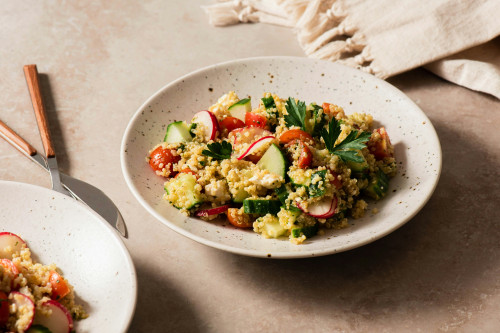
If you’re the one hosting, it’s easy to create a menu that works for everyone. Start with plant-based dishes as the foundation—think hearty salads, roasted vegetables, grains, and dips—and, if you like, add a meat option on the side. This way, everyone can enjoy the meal without feeling divided into “plant-based” and “non-plant-based” groups.
Buffet-style or “build-your-own” meals, like taco bars or grain bowls, are great for mixed groups. They encourage a relaxed atmosphere and let guests customize their plates.
You might be surprised how quickly the plant-based dishes disappear—colorful, flavorful food tends to win people over.
Holidays and Traditions
Holidays and family gatherings can be especially challenging since they’re often tied to traditional dishes. The key is finding balance—honoring your values while respecting shared traditions.
Try bringing plant-based versions of classic favorites, like lentil loaf instead of meatloaf, or dairy-free mac and cheese. Many people are pleasantly surprised by how tasty these alternatives can be, and it’s a great way to share your lifestyle without pushing it on others.
If you encounter resistance, remember that change takes time. What matters most is that you feel comfortable and can participate in the celebration in a way that feels authentic to you.
Dining Out
Restaurants across the U.S. are becoming more plant-based friendly, but it’s still smart to check menus ahead of time. If options look limited, call the restaurant—many chefs are happy to adapt a dish if they know in advance.
When dining with others, focus on the experience rather than the limitations. Social meals are about connection, not just food. If things don’t go perfectly, keep a sense of humor—it helps everyone relax.
Finding Community and Support
Eating differently from most people can sometimes feel isolating, especially at first. Finding community can make a big difference. Look for local vegan meetups, cooking classes, or online groups where you can share recipes and experiences. Connecting with others who share your values can help you stay motivated and inspired.
It’s About Balance, Not Perfection
Navigating social life as a plant-based eater takes some planning and patience, but it doesn’t have to be stressful. The goal isn’t perfection—it’s balance. Be open, flexible, and kind—to yourself and to others. When you approach social situations with positivity and respect, you’ll find it’s entirely possible to enjoy great company and great food, no matter what’s on the plate.
Læs også: