Long Hair Without Damage: How to Keep Your Ends Healthy

Long Hair Without Damage: How to Keep Your Ends Healthy
The dream of long, shiny hair can quickly fade when split ends and breakage appear. Whether you’re growing your hair for a dramatic length or simply want it to look strong and healthy, it takes care and consistency. Here’s a guide to keeping your ends healthy so your hair can grow long without losing its strength along the way.
Understand Your Hair’s Structure
Each strand of hair is made of keratin, a protein that forms a protective outer layer called the cuticle. When the cuticle is damaged by heat, chemicals, or friction, it lifts and allows moisture to escape. The result? Dry, frizzy ends that split and break easily.
Healthy long hair isn’t just about growth—it’s about preservation. Hair grows about half an inch per month, so it can take years to reach your goal length, but only a few weeks of neglect to undo your progress.
Læs også:

Trim Regularly—Even When Growing It Out
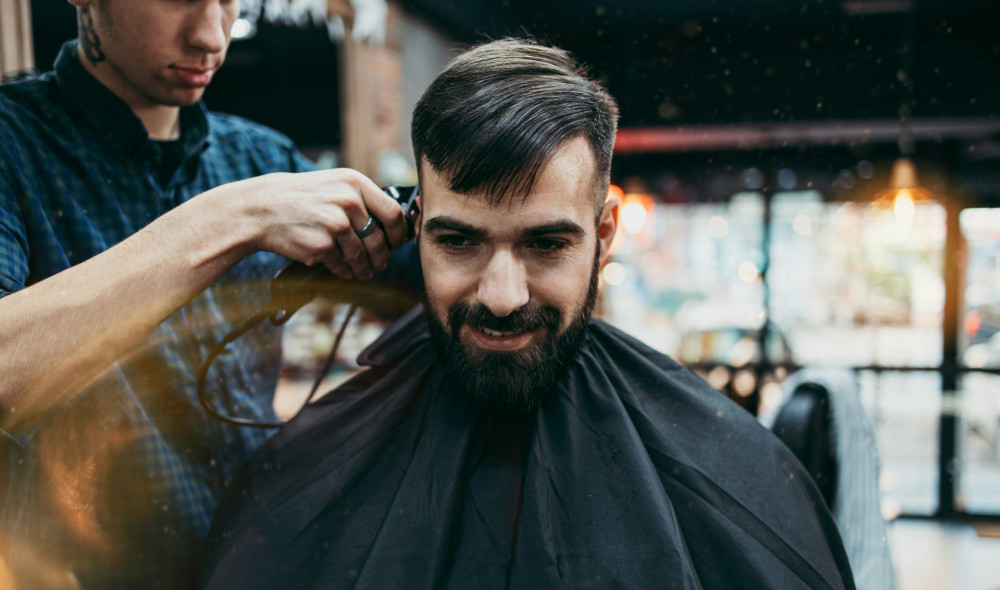
It might feel counterintuitive to cut your hair when you’re trying to grow it, but regular trims are essential for maintaining healthy ends. Removing split or frayed tips prevents damage from traveling up the strand.
For most people, trimming every 8–12 weeks works well, depending on your hair type and styling habits. You don’t need to take off much—just a quarter inch can make a big difference in how your hair looks and feels.
Be Gentle When Washing
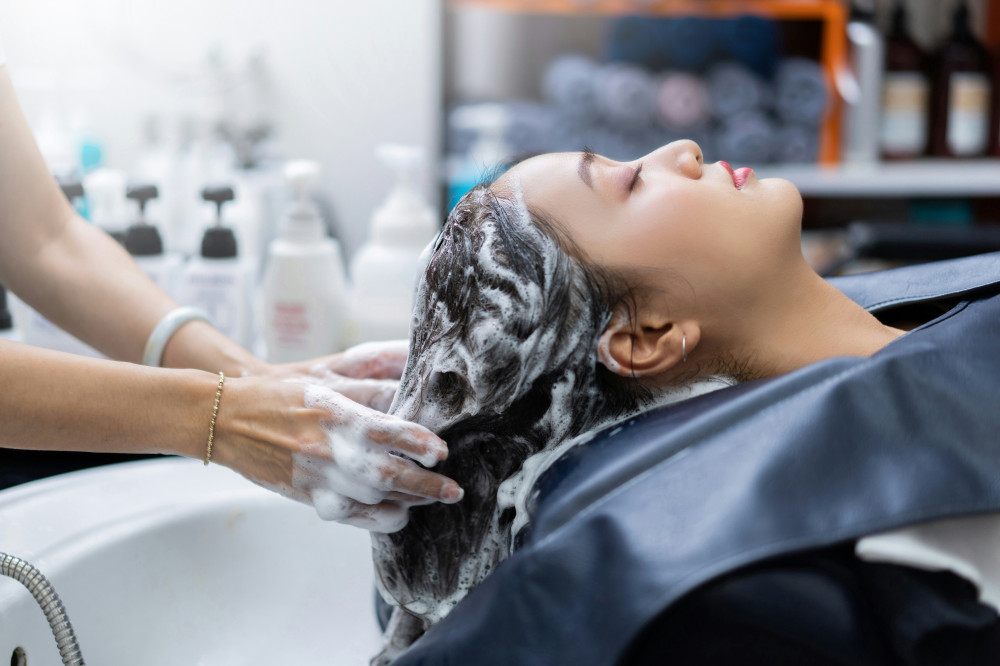
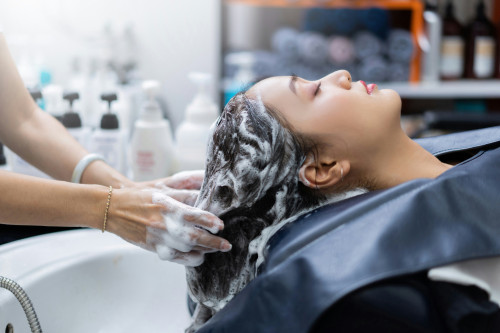
Many hair problems start in the shower. Hot water can strip your hair of natural oils and open the cuticle, leading to dryness. Instead, use lukewarm water. Focus shampoo on your scalp, not the lengths, and let the suds cleanse the rest as you rinse.
Always follow with conditioner to smooth and seal the cuticle. Once a week, treat your hair to a deep-conditioning mask or oil treatment for extra hydration.
Pro tip: Instead of rubbing your hair with a towel, gently squeeze out excess water and pat it dry with a microfiber towel or a soft cotton T-shirt. This reduces friction and helps prevent breakage.
Protect Against Heat and Friction
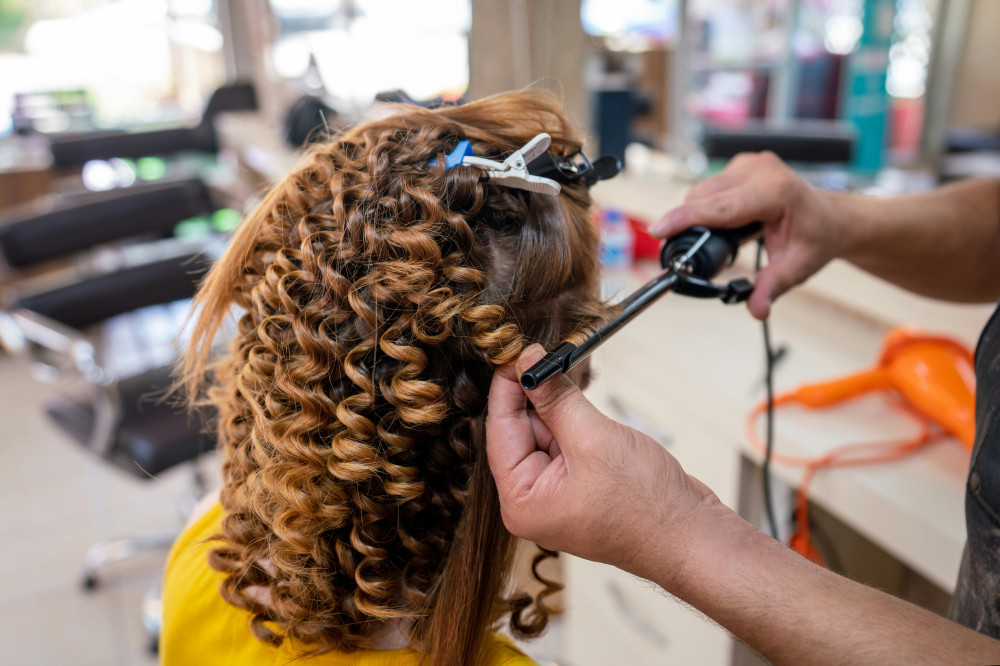
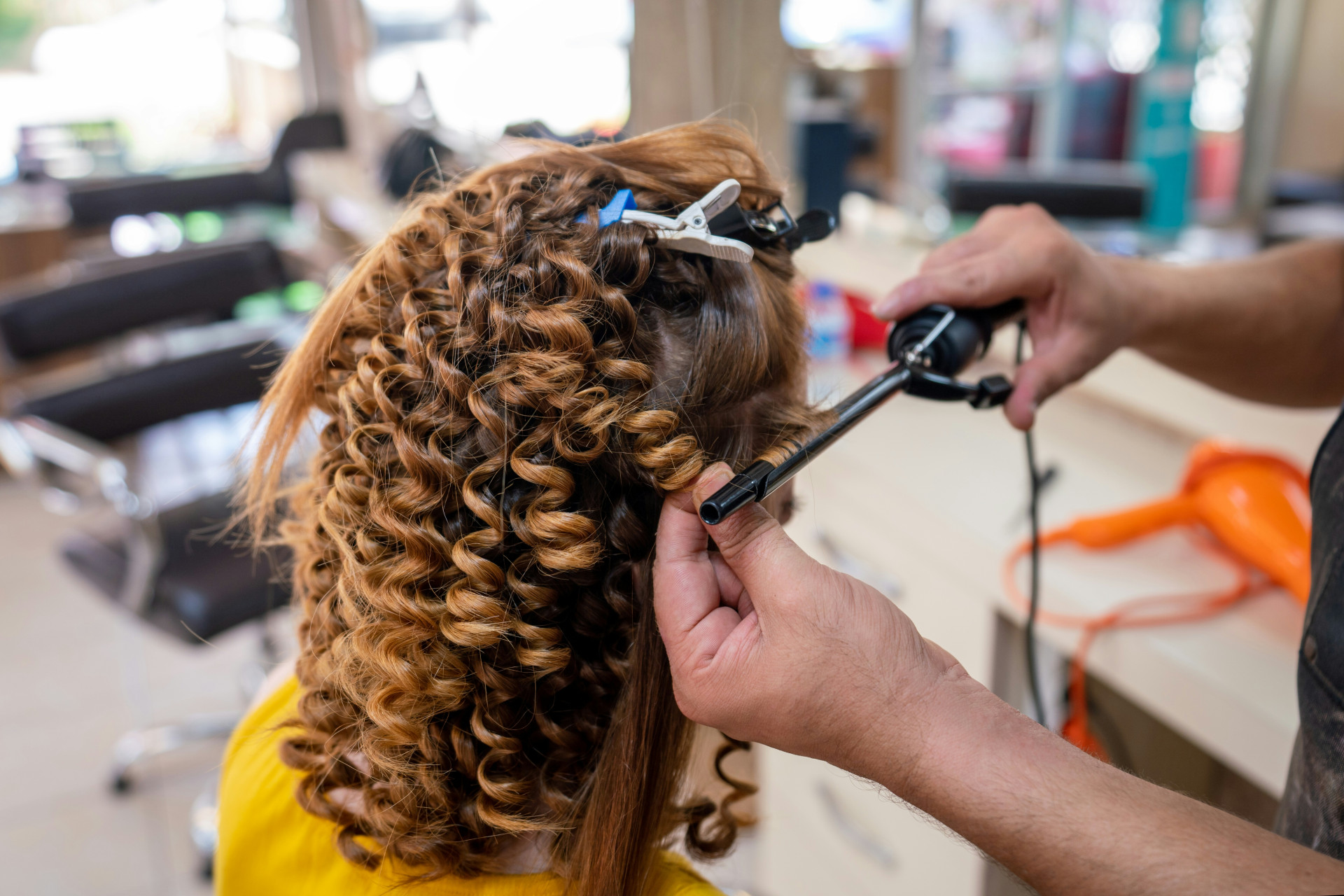
Blow dryers, flat irons, and curling wands can be lifesavers for styling—but they’re also major culprits behind damaged ends. Heat causes moisture loss, leaving hair brittle. Always apply a heat protectant spray before styling, and use the lowest effective temperature.
Give your hair a break from heat whenever possible. Try air-drying, braiding for natural waves, or using soft, no-metal hair ties. At night, sleep on a silk or satin pillowcase or wrap your hair in a silk scarf to minimize friction and preserve shine.
Hydrate from the Inside Out
Healthy hair starts with a healthy body. Drink plenty of water and eat a balanced diet rich in protein, healthy fats, and vitamins like biotin, zinc, and vitamin E. These nutrients support strong hair growth and resilience.
Externally, keep your ends moisturized with lightweight oils such as argan, coconut, or jojoba. Apply a small amount to damp ends after washing to lock in moisture and add smoothness.
Be Patient and Consistent
Growing long, healthy hair takes time and dedication. There’s no miracle product—just good habits practiced consistently. Be gentle, nourish your hair regularly, and protect it from damage.
When you finally see the results—soft, strong ends and hair that feels alive—you’ll know every bit of care was worth it.
Læs også: