Vitamins for Your Hair: Nutrients That Promote Healthy Growth and Natural Shine

Vitamins for Your Hair: Nutrients That Promote Healthy Growth and Natural Shine
Healthy, shiny hair starts from within. While shampoos, conditioners, and treatments can improve the look and feel of your hair, your diet plays a crucial role in how your hair grows and maintains its strength. Hair is primarily made of keratin, a protein that depends on a steady supply of vitamins and minerals for proper formation. Here’s a guide to the key nutrients that support strong, vibrant hair from the inside out.
B Vitamins – Fuel for Hair Growth
The B-vitamin family supports energy production in your cells, and several B vitamins are directly linked to hair health.
- Biotin (B7) is one of the most well-known hair vitamins. It supports keratin production and may help reduce hair thinning in people with a deficiency.
- Vitamin B12 and folate (B9) are essential for red blood cell formation, which ensures that your hair follicles receive enough oxygen and nutrients.
- Niacin (B3) helps improve blood circulation in the scalp, creating a healthier environment for hair growth.
A lack of B vitamins can lead to dull, brittle hair and, in some cases, increased shedding. Good sources include eggs, whole grains, fish, nuts, and leafy greens.
Vitamin A – Balancing Moisture and Growth
Vitamin A is necessary for producing sebum, the natural oil that keeps your scalp moisturized and your hair protected. Too little vitamin A can cause a dry, flaky scalp, while too much can actually slow hair growth. Balance is key.
You can find vitamin A in foods like carrots, sweet potatoes, spinach, and liver—or as beta-carotene, which your body converts into vitamin A as needed.
Vitamin C – Protection and Strength
Vitamin C is a powerful antioxidant that helps protect hair follicles from damage caused by free radicals. It’s also vital for collagen production, a protein that gives hair its structure and elasticity. Additionally, vitamin C enhances iron absorption, which is important for preventing hair loss.
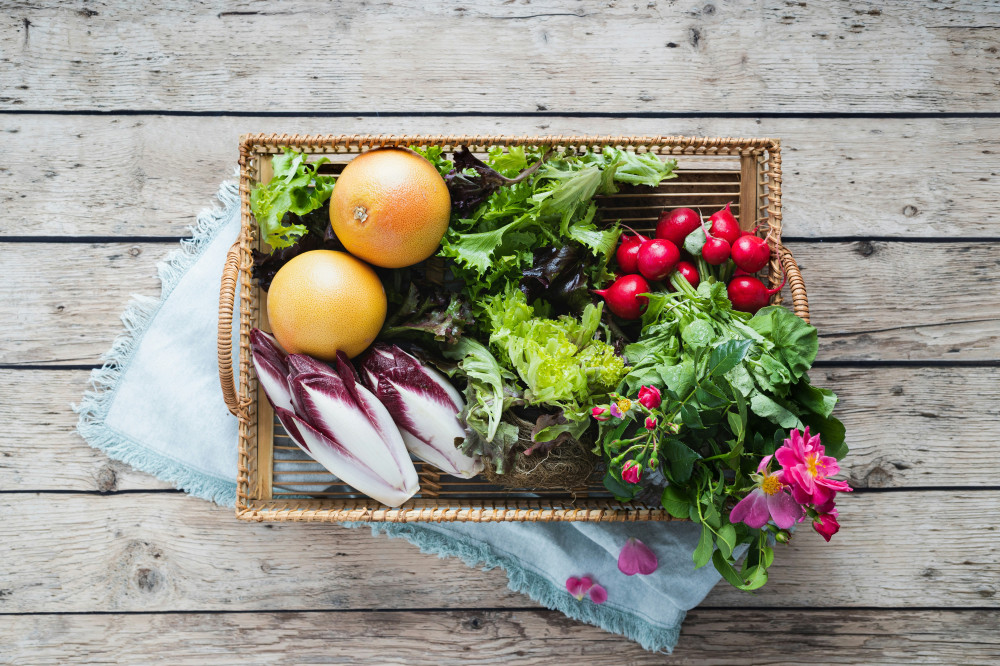
Citrus fruits, berries, bell peppers, and broccoli are all excellent sources of vitamin C.
Læs også:


Vitamin D – The Sunshine Vitamin for Hair Growth
Research suggests that vitamin D plays a role in the creation of new hair follicles. Deficiency is common, especially during the winter months, and may be linked to thinning hair. Your body produces vitamin D when your skin is exposed to sunlight, but you can also get it from fatty fish, egg yolks, and fortified dairy or plant-based milks.
Vitamin E – Shine and Protection
Vitamin E acts as an antioxidant that shields your hair from environmental stressors like UV rays, pollution, and heat styling. It can also improve scalp circulation, helping your hair look shinier and healthier. Nuts, seeds, avocados, and plant oils are all rich in vitamin E.
Minerals That Matter
In addition to vitamins, several minerals are essential for strong, resilient hair:
- Zinc supports tissue repair and helps regulate oil production in the scalp. A deficiency can lead to hair loss and dryness.
- Iron is critical for oxygen transport to hair follicles. Women, in particular, may experience hair thinning due to low iron levels.
- Selenium helps protect cells from oxidative stress and supports a healthy scalp.
You can get these minerals from foods like lean meats, seafood, legumes, nuts, and whole grains.
Diet, Lifestyle, and the Bigger Picture
While supplements can be helpful, a balanced diet is the best foundation for healthy hair. Combine nutrient-rich foods with good sleep, regular exercise, and stress management—all of which influence your hair’s growth cycle. Remember, hair growth takes time. The nutrients you consume today may not show results for several months, so patience and consistency are key.
Healthy Hair Starts from Within
Hair care isn’t just about what you apply on the outside—it’s about nourishing your body with the right building blocks. By ensuring you get enough essential vitamins and minerals, you can support your hair’s natural growth, strength, and shine while also improving your overall well-being.
Læs også: