Lutein and Zeaxanthin: Nutrients That Support Healthy Eyes


Lutein and Zeaxanthin: Nutrients That Support Healthy Eyes
Our eyesight is one of the senses we rely on most, yet it’s easy to take it for granted—until it starts to decline. Every day, our eyes are exposed to sunlight, digital screens, and the natural effects of aging. Nutrition plays a key role in maintaining healthy vision throughout life, and two nutrients that have gained attention in recent years are lutein and zeaxanthin. These compounds are naturally found in the retina and act as internal filters that help protect the eyes from harmful light and oxidative stress.
What Are Lutein and Zeaxanthin?
Lutein and zeaxanthin are carotenoids—plant-based pigments that give many fruits and vegetables their yellow, orange, and green colors. In the body, they concentrate in the macula, the central part of the retina responsible for sharp, detailed vision and color perception.
In this area, they function as antioxidants, neutralizing free radicals and shielding eye cells from damage caused by ultraviolet (UV) and blue light. Without enough of these nutrients, the retina may become more vulnerable to age-related changes and environmental stressors.
Why They Matter for Vision
Research has shown that higher intakes of lutein and zeaxanthin are linked to a lower risk of age-related macular degeneration (AMD)—one of the leading causes of vision loss among older adults. They may also help reduce the risk of cataracts by protecting the lens from oxidative damage.
Emerging studies suggest that these nutrients can improve contrast sensitivity and visual sharpness, particularly in people who spend long hours in front of screens. Because they help filter blue light, lutein and zeaxanthin may also reduce eye strain and discomfort associated with digital device use.
Læs også:



Foods Rich in Lutein and Zeaxanthin
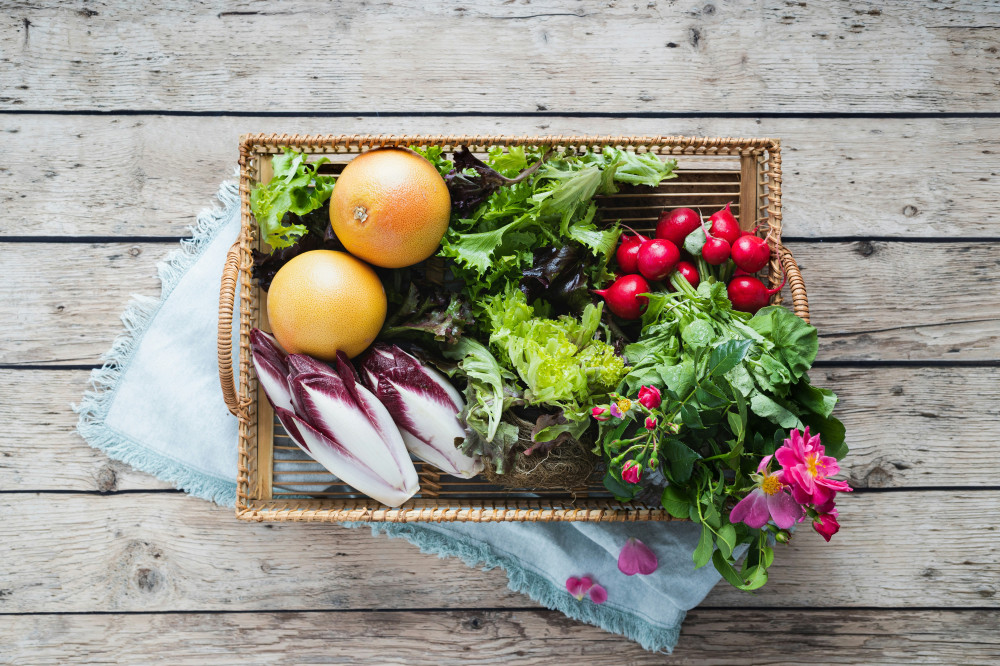
The body cannot produce lutein or zeaxanthin on its own, so they must come from the diet. Fortunately, they’re found in many common foods—especially dark leafy greens and brightly colored fruits and vegetables.
Some of the best sources include:
- Kale and spinach – among the richest sources of lutein.
- Broccoli and green peas – easy everyday options that fit into most meals.
- Corn and egg yolks – high in zeaxanthin and easily absorbed by the body.
- Avocados and pistachios – provide both lutein and healthy fats that enhance absorption.
- Oranges and papayas – contribute smaller amounts but add variety and color to your diet.
A helpful tip: pair these foods with a source of healthy fat, such as olive oil, nuts, or avocado, since carotenoids are best absorbed when eaten with fat.
Can Supplements Help?
For most people, a balanced diet provides enough lutein and zeaxanthin. However, some individuals—especially older adults or those at higher risk for eye disease—may benefit from supplements. Many eye health formulas combine lutein and zeaxanthin with other antioxidants like vitamins C and E, zinc, and copper.
If you’re considering a supplement, talk with your healthcare provider or eye doctor first. They can help determine whether it’s appropriate for you and ensure it won’t interfere with any medications or other supplements you take.
Everyday Habits for Healthy Eyes
Beyond nutrition, several lifestyle habits can help protect your vision:
- Wear sunglasses that block 100% of UVA and UVB rays when outdoors.
- Take screen breaks using the 20-20-20 rule: every 20 minutes, look at something 20 feet away for 20 seconds.
- Eat a balanced diet rich in vegetables, fruits, whole grains, and healthy fats.
- Avoid smoking, which increases the risk of macular degeneration.
- Schedule regular eye exams, especially after age 40.
Small, consistent steps can make a big difference in preserving your eyesight—and lutein and zeaxanthin are an important part of that effort.
A Clearer View Ahead
Caring for your eyes isn’t just about seeing well today—it’s about protecting your vision for the future. By eating colorful produce, shielding your eyes from sunlight and screens, and staying mindful of your overall health, you can give your eyes the support they need to stay strong.
Lutein and zeaxanthin are nature’s own defense system for your eyes—proof that good nutrition can help you see the world more clearly for years to come.
Læs også: