Regular eye exams make it possible to detect glaucoma early

Regular eye exams make it possible to detect glaucoma early
Glaucoma is one of the leading causes of irreversible vision loss in the United States. The disease often develops slowly and without noticeable symptoms in its early stages. Because of this, many people are unaware they have glaucoma until significant vision damage has already occurred. Regular eye exams are the most effective way to detect glaucoma early—and to preserve vision for as long as possible.
What is glaucoma?
Glaucoma refers to a group of eye diseases that damage the optic nerve, the part of the eye responsible for transmitting visual information to the brain. The most common type, open-angle glaucoma, is usually associated with increased pressure inside the eye. Over time, this pressure can harm the delicate nerve fibers, leading to permanent vision loss. While the damage cannot be reversed, early detection and treatment can slow or even stop the progression of the disease.
Glaucoma can affect anyone, but it is more common in people over 40. Family history plays a major role—if a parent or sibling has glaucoma, your risk is higher. Other risk factors include African American or Hispanic heritage, diabetes, high blood pressure, and long-term use of steroid medications.
Symptoms develop gradually
One of the biggest challenges with glaucoma is that it rarely causes symptoms in its early stages. Vision loss begins at the edges of the visual field, and the brain often compensates for these blind spots, making them hard to notice. By the time a person realizes something is wrong, significant and permanent damage may already have occurred.
That’s why waiting until you notice vision changes is not enough. Preventive eye exams are essential for early detection.
What happens during an eye exam?
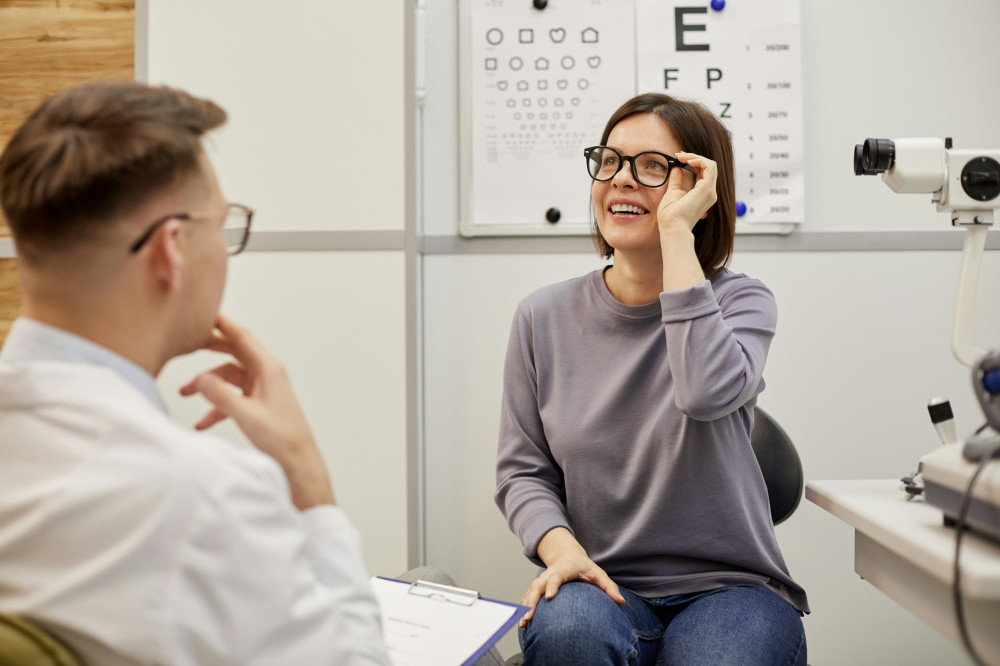
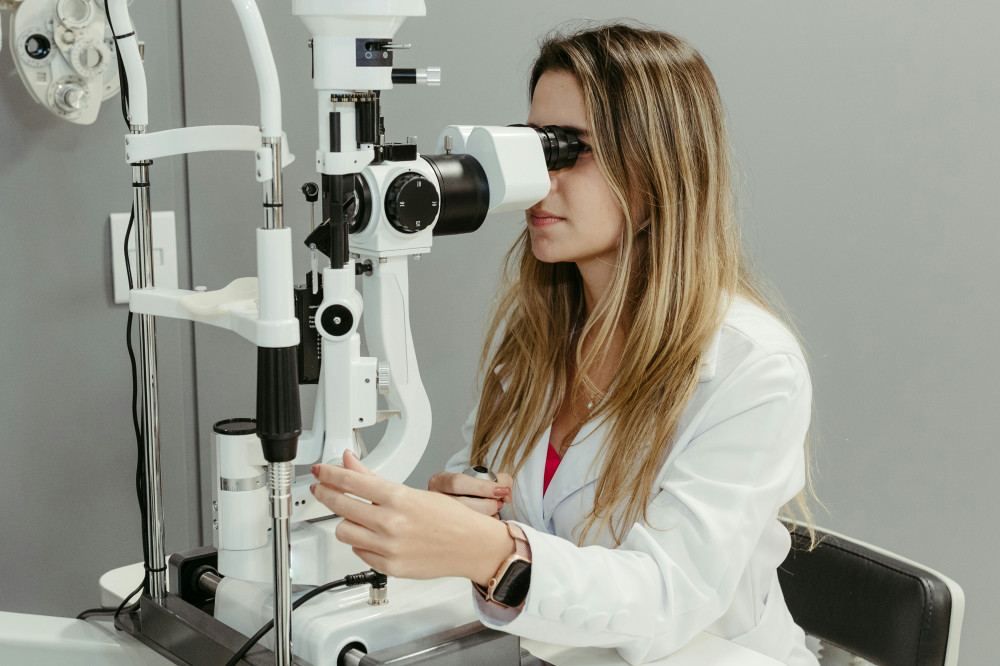
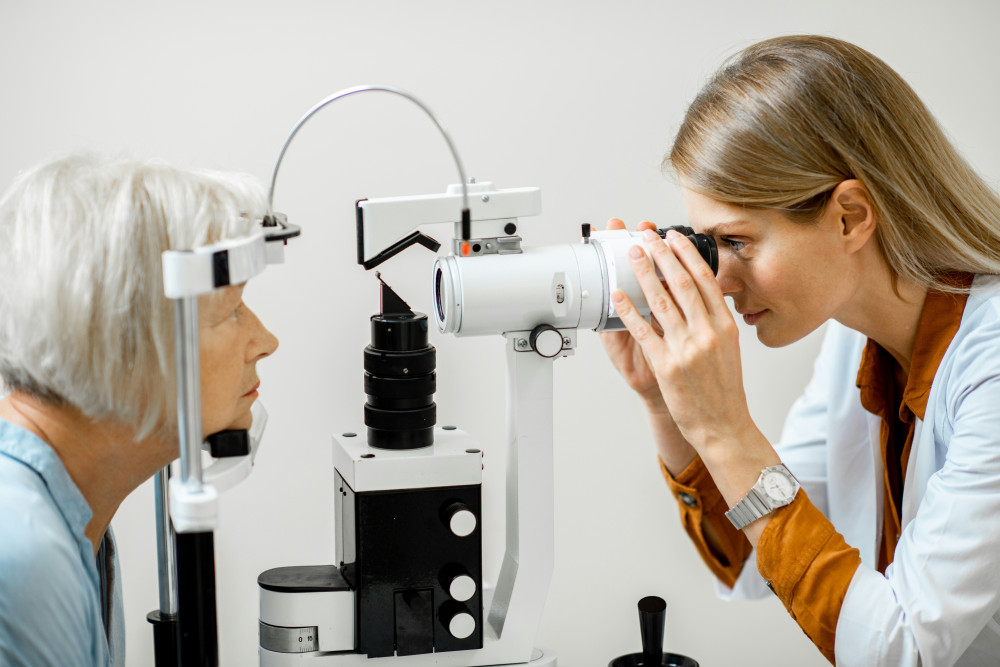
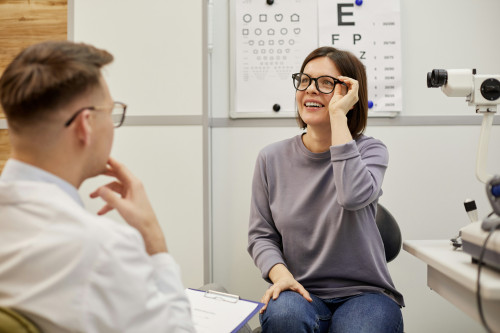
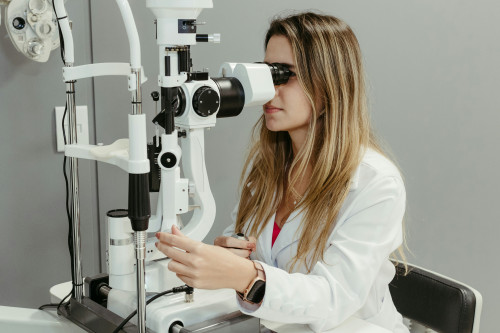
A comprehensive eye exam performed by an optometrist or ophthalmologist is quick, painless, and can reveal early signs of glaucoma. It typically includes:
- Measurement of eye pressure (tonometry) – to check if the pressure inside the eye is within the normal range.
- Examination of the optic nerve – to look for signs of damage.
- Visual field testing – to detect small areas of vision loss that you might not notice yourself.
- Imaging of the retina and optic nerve – to monitor changes over time.
These tests together provide a detailed picture of your eye health and can detect glaucoma before vision loss occurs.
How often should you get your eyes checked?
The American Academy of Ophthalmology recommends that adults have a comprehensive eye exam at least once every two to four years between ages 40 and 54, every one to three years between 55 and 64, and every one to two years after age 65. People with risk factors—such as a family history of glaucoma, diabetes, or high eye pressure—should be examined more frequently, as advised by their eye doctor.
Læs også:

Treatment can slow the disease
Although glaucoma cannot be cured, effective treatments can prevent further vision loss. The most common treatment is prescription eye drops that lower eye pressure. In some cases, laser therapy or surgery may be needed if medication alone does not control the pressure.
The key is early diagnosis—starting treatment before significant damage occurs offers the best chance of maintaining good vision throughout life.
Take charge of your eye health
Your eyesight is one of your most valuable senses, yet it’s easy to take it for granted until problems arise. Regular eye exams are a simple, effective way to protect your vision. They take only a short time but can make a lifelong difference.
If you can’t remember your last eye exam, now is the perfect time to schedule one. A quick visit to your eye doctor today could help prevent serious vision loss in the future.
Læs også: