Cold and Warm Treatments – Simple Ways to Healthier, Happier Feet


Cold and Warm Treatments – Simple Ways to Healthier, Happier Feet
Our feet carry us through life—literally. Yet they’re often the part of the body we pay the least attention to. Tired, swollen, or sore feet can affect both mood and overall well-being. Fortunately, there are simple ways to bring them back to life. Cold and warm treatments are among the most effective—and you can easily do them at home.
Why Temperature Therapy Works
The body naturally responds to changes in temperature. Warmth causes blood vessels to expand, increasing circulation and helping muscles relax. Cold, on the other hand, makes blood vessels constrict, which helps reduce swelling and inflammation. By alternating between the two, you can stimulate blood flow, ease soreness, and give your feet a refreshing sense of lightness.
This type of therapy is often used by athletes and people who spend long hours standing. But you don’t need to be a professional or have special equipment to benefit from it.
Læs også:




Warm Treatment – Relaxation and Relief
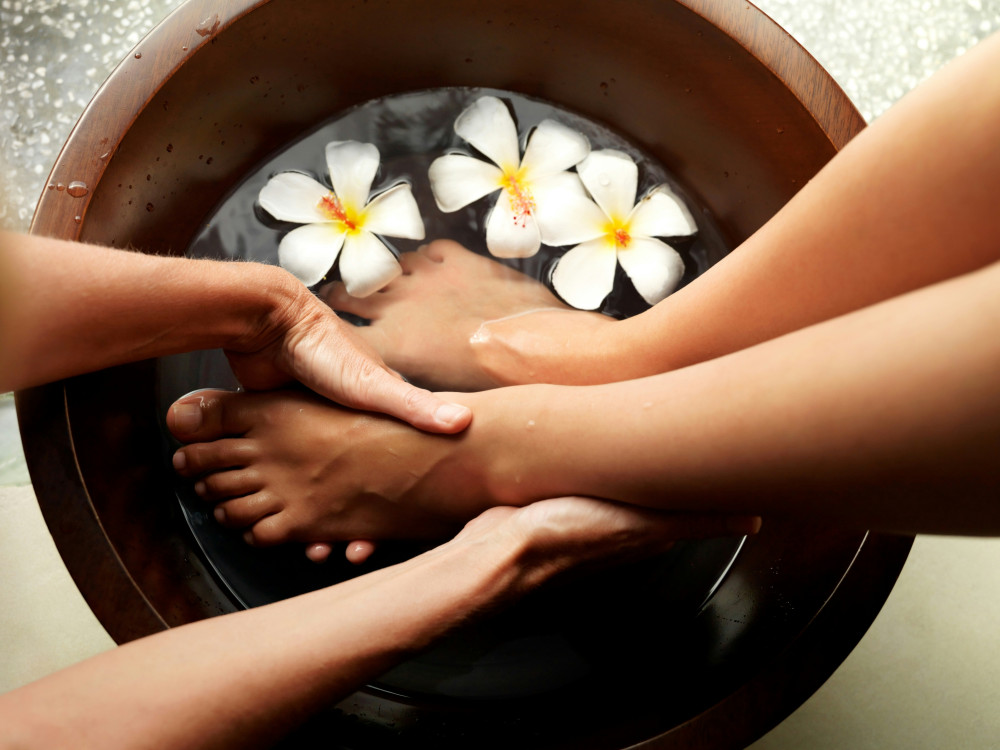
A warm foot treatment is ideal when your feet feel stiff, cold, or tired. You can use a foot bath, a heating pad, or simply a towel soaked in warm water.
How to do it:
- Fill a basin with water around 100–104°F.
- Add a handful of Epsom salt or a few drops of essential oil, such as lavender or eucalyptus, if you like.
- Soak your feet for 10–15 minutes.
- Dry them thoroughly and massage them with a moisturizing lotion afterward.
The warmth helps loosen tension, improve circulation, and can be a soothing bedtime ritual. It also softens the skin, making it easier to remove rough patches or calluses.
Cold Treatment – Refreshing and Soothing
Cold therapy is especially effective if your feet are swollen, feel hot, or have been under pressure all day. The cold helps calm inflammation and provides quick relief.
How to do it:
- Fill a basin with cold water—add ice cubes if you can tolerate it.
- Submerge your feet for 1–2 minutes.
- Take them out, pat them dry, and repeat a few times if desired.
You can also use a bag of frozen peas wrapped in a thin towel as a quick ice pack. Apply it to sore areas for 10–15 minutes. Just be sure not to place ice directly on the skin, as it can cause frostbite.
Alternating Foot Bath – The Best of Both Worlds
One of the most popular methods is alternating between warm and cold water. This stimulates circulation and leaves your feet feeling refreshed and energized.
How to do it:
- Prepare two basins—one with warm water (about 100°F) and one with cold water.
- Start by soaking your feet in the warm water for 3 minutes.
- Switch to the cold water for 30 seconds.
- Repeat the cycle 3–4 times, finishing with the cold water.
- Dry your feet thoroughly and put on warm socks.
This method is especially helpful after a long day on your feet or after exercise. It helps reduce swelling and gives your whole body a boost of energy.
Make It a Habit
To get the most out of cold and warm treatments, consistency is key. You don’t need to spend much time—just 10–15 minutes a few times a week can make a noticeable difference. Combine the treatments with gentle foot massage, stretching, or a nourishing foot cream to keep your skin soft and healthy.
If you have circulation problems, diabetes, or skin conditions, talk to your healthcare provider before starting regular temperature treatments.
Small Rituals, Big Benefits
Taking time to care for your feet isn’t just about physical comfort—it’s also a small act of mindfulness. A simple foot soak after a busy day can feel like a moment of calm for both body and mind. Your feet will thank you for it.
Læs også: