Holistic Foot Therapy: When Your Feet Reflect Your Overall Health


Holistic Foot Therapy: When Your Feet Reflect Your Overall Health
Our feet carry us through life—step by step, mile by mile. Yet for many Americans, they only become a focus when pain, calluses, or discomfort demand attention. Holistic foot therapy takes a broader view: it sees the feet not as isolated structures, but as integral parts of the body’s overall balance and well-being. The way we stand, walk, and move is deeply connected to our posture, circulation, and even stress levels. In this sense, our feet can serve as mirrors of our general health.
The Feet as a Reflection of the Body
Each foot contains 26 bones, 33 joints, and more than 100 muscles, tendons, and ligaments—a complex network that must work in harmony to support movement and stability. When something in the body is out of alignment, it often shows up in the feet.
A tilted pelvis, tight back muscles, or weak knees can change how we distribute weight, leading to issues like heel pain, arch strain, or thickened skin. Conversely, foot problems can affect the rest of the body, causing compensations that result in back, hip, or shoulder pain.
That’s why many holistic foot therapists look beyond the symptom to find the underlying cause. A session may include not only treatment of the feet but also guidance on posture, footwear, and movement habits.
Holistic Foot Therapy in Practice
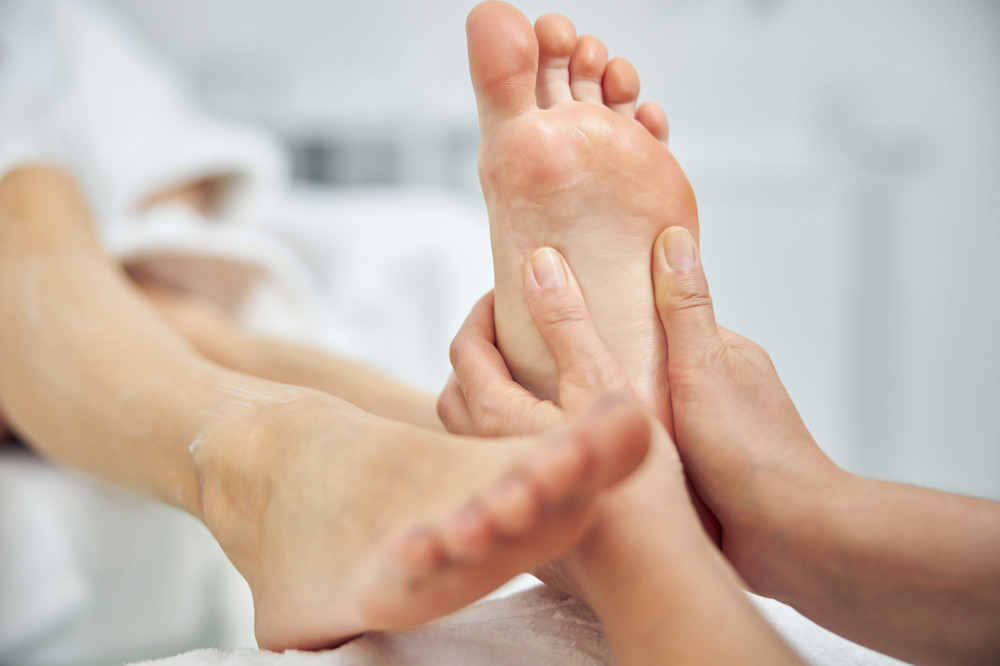
A holistic foot therapy session typically begins with a thorough assessment. The therapist examines the skin, nails, joint mobility, and foot alignment, and observes how you stand and walk. They may ask about pain or tension in other parts of the body to understand the bigger picture.
Treatment can include removing calluses or corns, trimming and caring for nails, and providing custom orthotics or supportive insoles. But the holistic approach goes further—many therapists incorporate stretching, strengthening exercises, and advice on choosing shoes that support natural movement.
The goal is not just to relieve discomfort but to restore balance throughout the body, helping you move more freely and comfortably.
Læs også:



Circulation, Relaxation, and Overall Well-Being
The feet play a vital role in circulation. As we walk, the muscles in the feet and calves act as pumps, helping blood return to the heart. When the feet are stiff or painful, this process can be disrupted, leading to swelling or fatigue.
Regular foot care and movement can therefore benefit the entire body. Many people find that a professional foot treatment not only eases physical tension but also promotes relaxation and mental calm. The feet are rich in nerve endings, and gentle touch can have a soothing, stress-reducing effect.
Foot Therapy as Preventive Care
Holistic foot therapy isn’t just about fixing problems—it’s also about preventing them. By identifying small changes in the feet early, a therapist can help stop minor issues from developing into more serious conditions. This is especially important for people with diabetes, arthritis, or poor circulation, where even small wounds can have serious consequences.
But preventive care benefits everyone. Our feet endure daily wear and tear, and with proper attention, many common problems can be avoided as we age.
Everyday Habits for Healthy Feet
There’s a lot you can do at home to keep your feet healthy:
- Choose supportive footwear – Shoes should fit your foot shape and allow your toes to move freely.
- Keep feet clean and dry – Moisture increases the risk of fungal infections and skin irritation.
- Moisturize regularly – A good foot cream keeps the skin soft and prevents cracking.
- Go barefoot when possible – Walking barefoot strengthens foot muscles and improves balance.
- Pay attention to warning signs – Pain, swelling, or changes in foot shape are signals worth addressing early.
Combining self-care with professional foot therapy can help your feet—and your whole body—function at their best.
When the Whole Body Benefits
Holistic foot therapy is about seeing the body as an interconnected system where every part influences the others. The feet form our foundation, but they also tell a story about how we move, stand, and live. By understanding and caring for them in this broader context, we can not only ease local discomfort but also enhance overall health, balance, and quality of life.
Læs også: