Foot Pressure Points: How They Change with Different Movements

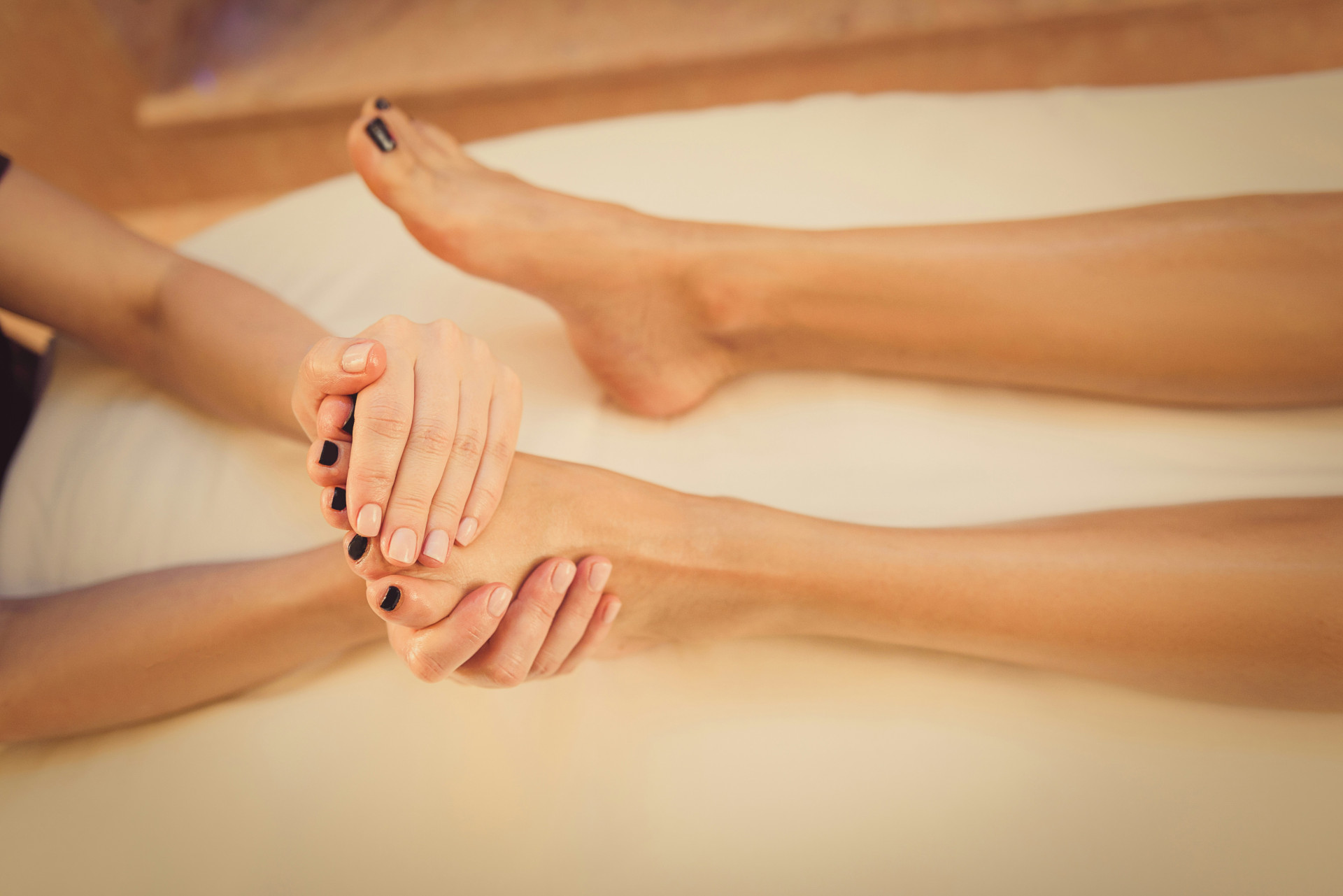
Foot Pressure Points: How They Change with Different Movements
Our feet are the foundation of the body — they carry us through every step, run, and jump, constantly adapting to how we move. Each motion shifts the pressure beneath the soles, influencing not only our balance and posture but also the muscles, joints, and tendons throughout the body. Understanding how foot pressure points change with movement can help improve performance, comfort, and injury prevention.
The Anatomy of the Foot and Its Pressure Points
Each foot contains 26 bones, more than 30 joints, and over 100 muscles, tendons, and ligaments. Together, they form a complex structure that must be both stable and flexible. When standing still, body weight is typically distributed across three main points:
- Heel (calcaneus) – the primary support point that bears most of the body’s weight when standing.
- Base of the big toe (first metatarsal head) – helps stabilize the body and push it forward.
- Base of the little toe (fifth metatarsal head) – contributes to balance and side-to-side stability.
These three points form a triangular base that supports the foot. The pressure between them shifts constantly depending on how we move.
Walking – A Rolling Transition
When walking, pressure moves smoothly from the heel to the forefoot in what’s known as the gait cycle:
- Heel strike: The heel makes contact with the ground first, concentrating pressure at the back of the foot.
- Midstance: Pressure moves toward the midfoot, where the arch briefly supports the body’s weight.
- Toe-off: Pressure gathers under the big toe, which provides the final push forward.
A healthy walking pattern distributes pressure evenly through these phases. Too much pressure in one area — such as the heel or forefoot — can lead to calluses, pain, or even knee and hip discomfort over time.
Læs også:
Running – More Force, Less Contact Time
Running changes the pressure pattern dramatically. Ground contact time is shorter, and the forces on the foot can reach up to three times body weight.
- Many runners land on the midfoot or forefoot, which reduces heel impact but increases strain on the calves and Achilles tendon.
- Others land on the heel, especially at slower speeds or on hard surfaces. This can feel more stable but sends more shock up through the legs.
Your pressure pattern depends on running style, footwear, and surface. That’s why gait analysis and properly fitted running shoes are key to preventing injuries.
Standing Still – Subtle Shifts That Matter
Even when standing still, the feet are never completely motionless. Tiny adjustments help maintain balance, causing pressure to shift between the heel, forefoot, and sides of the foot. People who stand for long periods — such as teachers, healthcare workers, or retail employees — often experience fatigue in the arches and forefoot. Supportive insoles or shoes with good arch support can help distribute pressure more evenly and reduce strain.
Jumping and Quick Movements
During jumps, landings, or sudden direction changes, the feet experience rapid and intense pressure. The forefoot and ankle joint play a crucial role in absorbing shock and restoring balance. A proper landing — where pressure transitions smoothly from forefoot to heel — reduces the risk of sprains and overuse injuries. Many athletes train foot strength and stability specifically to improve reaction time and control.
How to Read Your Own Pressure Patterns
You can get a sense of your pressure distribution by examining the wear on your shoes:
- Wear on the outer heel suggests heavy heel striking.
- Wear on the forefoot indicates strong push-off forces.
- Uneven wear may signal imbalance or a need for better support.
For a more accurate assessment, consider a foot or gait analysis at a physical therapy clinic or specialty running store. Digital pressure mapping can show exactly how your feet move and where the most stress occurs.
Small Adjustments, Big Benefits
Understanding your foot’s pressure points isn’t just about biomechanics — it’s about overall well-being. Choosing shoes that match your foot type and strengthening your feet through exercises like toe curls, balance drills, and gentle stretches can improve comfort, stability, and performance.
Your feet are remarkable structures that deserve attention. By learning how pressure shifts with movement, you can move more efficiently — and with fewer aches and pains in daily life.
Læs også: