Single Dose, Daily Dose, and Treatment Course – How to Understand the Difference

Single Dose, Daily Dose, and Treatment Course – How to Understand the Difference
When you’re prescribed medication, it can sometimes be confusing to understand what terms like single dose, daily dose, and treatment course actually mean. These terms describe different aspects of how your medication should be taken—and understanding them is key to making sure your treatment works as intended. Here’s a simple guide to help you tell the difference and manage your medication safely.
What Does “Single Dose” Mean?
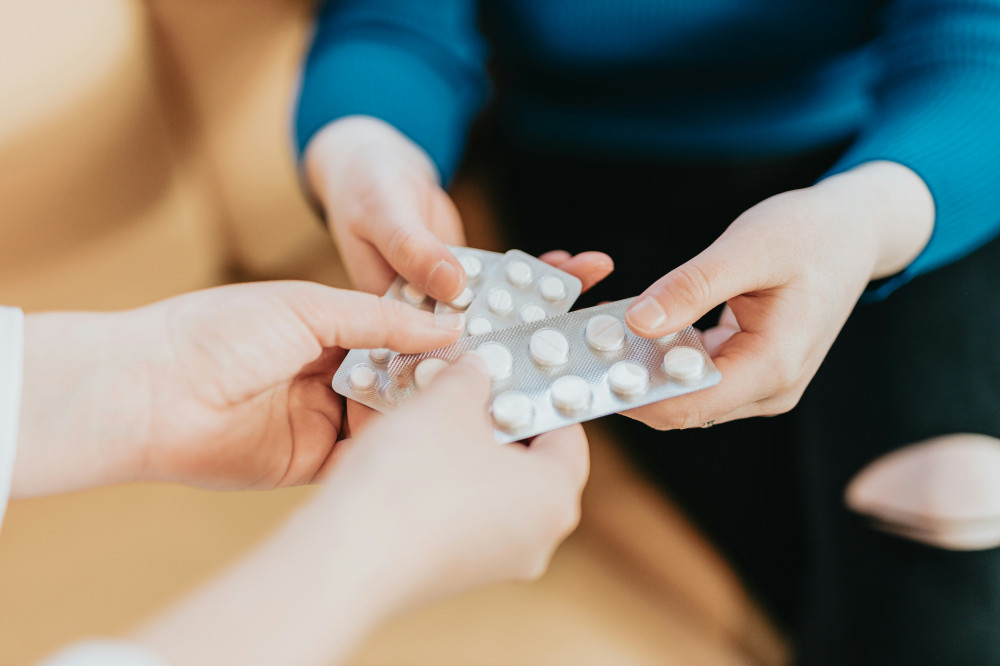
A single dose is the amount of medication you take at one time. It might be one tablet, two capsules, or a specific number of drops. In other words, it’s the individual portion you take on a given occasion.
You’ll usually find the single dose listed on your prescription label or in the medication guide—for example, “Take 1 tablet by mouth twice daily” or “Use 2 drops in each eye three times a day.” It’s important to follow these directions exactly. Taking too little may reduce the medication’s effectiveness, while taking too much can increase the risk of side effects.
What Is a Daily Dose?
A daily dose is the total amount of medication you take over a 24-hour period. It’s the sum of all your single doses in one day. For instance, if you take one tablet three times a day, your daily dose is three tablets.
The daily dose matters because it determines how much of the active ingredient your body receives in total. For some medications, it’s crucial to maintain a steady level in your bloodstream, which is why doses are spaced throughout the day. Missing a dose can affect how well the medicine works or change the likelihood of side effects.
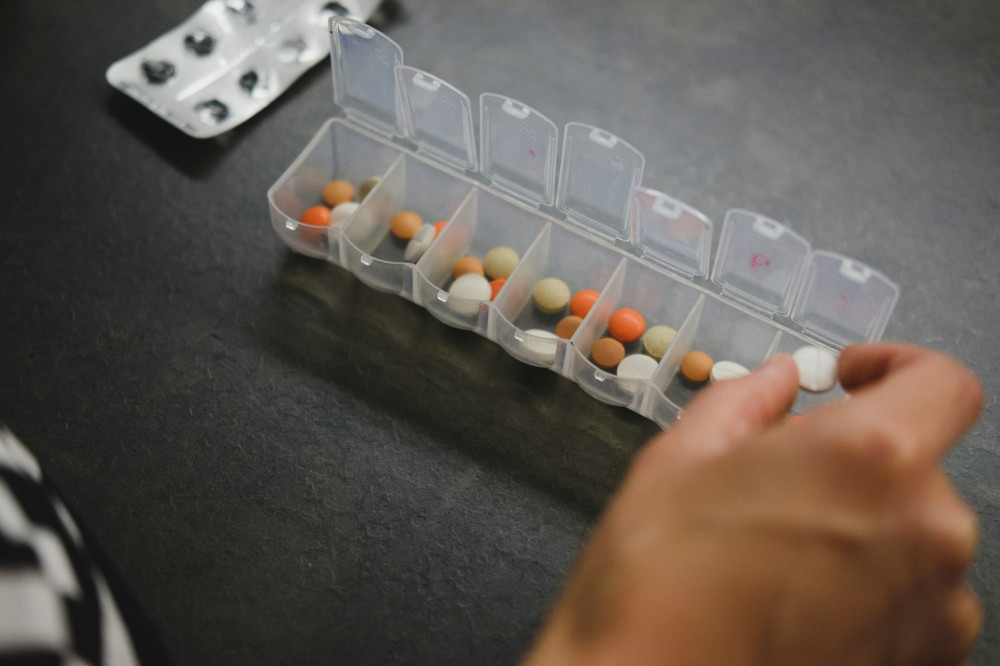
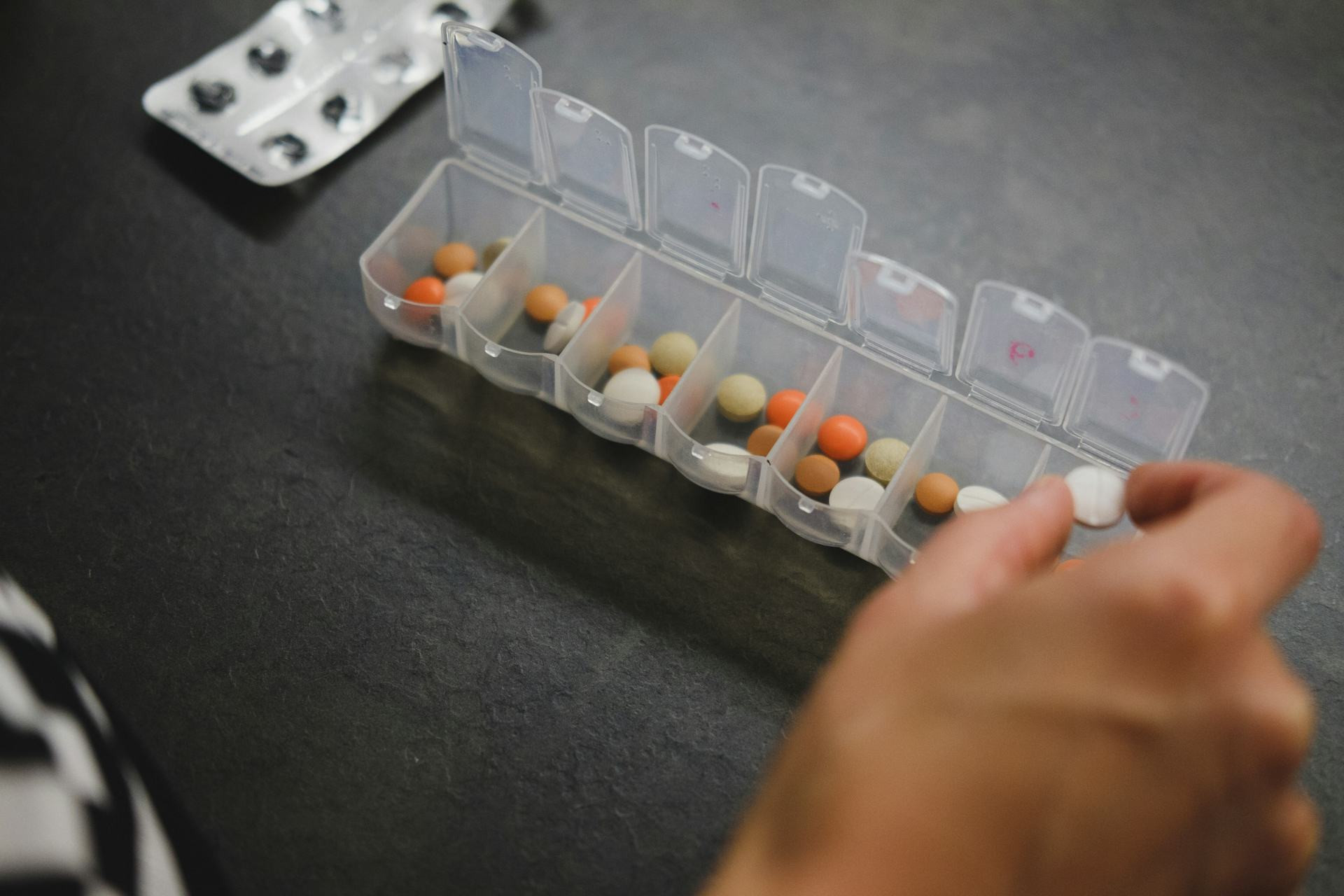
To stay on track, consider using a pill organizer or setting reminders on your phone so you don’t forget a dose.
Læs også:

What Is a Treatment Course?
A treatment course refers to the total period of time you’re supposed to take the medication. This can range from a few days to several months—or, in some cases, for life. Your healthcare provider determines the length of the treatment course based on your condition and how the medication works.
For example, with antibiotics, it’s important to complete the entire treatment course even if you start feeling better before it’s finished. Stopping too early can allow the infection to return and may contribute to antibiotic resistance. For chronic conditions like high blood pressure or diabetes, the treatment course may be ongoing, and the goal is to build a routine that fits your daily life.
Why It’s Important to Know the Difference
Understanding the difference between single dose, daily dose, and treatment course helps you take your medication correctly—and that’s essential for getting the best results. Incorrect dosing is one of the most common reasons treatments don’t work as expected. It can also lead to unwanted side effects or, in severe cases, overdose.
If you’re ever unsure about how to take your medication, ask your pharmacist or healthcare provider. They can explain the instructions and may provide a dosing schedule to make it easier to follow your treatment plan.
Building Good Habits
Taking medication properly isn’t just about remembering numbers—it’s about creating good habits. Here are a few simple tips:
- Take your medication at the same time each day to make it part of your routine.
- Link it to a daily activity, like brushing your teeth or eating breakfast.
- Use a pill organizer if you take multiple medications.
- Mark your calendar or set reminders for when your treatment course ends.
- Ask for help—many pharmacies can prepackage your doses for convenience.
A Small Effort with a Big Impact
Understanding the difference between a single dose, a daily dose, and a treatment course might seem like a small detail, but it’s an important part of managing your health. By following your medication instructions carefully, you give your treatment the best chance to work effectively and safely.
It’s a small effort that can make a big difference in your well-being.
Læs også: