When Diet, Alcohol, and Smoking Affect How Medications Work


When Diet, Alcohol, and Smoking Affect How Medications Work
When we take medication, we expect it to work the way our doctor or pharmacist explained. But everyday habits—what we eat, drink, and whether we smoke—can have a big impact on how drugs are absorbed, distributed, and broken down in the body. Diet, alcohol, and smoking can all change how medications work, sometimes leading to side effects or reduced effectiveness. Here’s what you should know about how lifestyle choices can influence your treatment—and how to stay safe.
How Food Affects Medication Absorption
Food can either help or hinder how well your body absorbs medication. Some drugs work best on an empty stomach, while others need food to be absorbed properly.
- High-fat meals can increase the absorption of certain fat-soluble drugs but may delay the effect of medications that are meant to work quickly.
- Dairy products can interfere with some antibiotics, such as tetracyclines and fluoroquinolones, by binding to the drug and preventing it from being absorbed.
- Grapefruit and grapefruit juice are well known for interacting with enzymes in the liver that break down many medications, including cholesterol-lowering statins and some blood pressure drugs. This can cause the medication to build up in your system and increase the risk of side effects.
- Herbal supplements and vitamins can also play a role. For example, St. John’s wort, often used for mild depression, can reduce the effectiveness of birth control pills, antidepressants, and certain heart medications.
Always read the medication label and ask your pharmacist whether your medicine should be taken with or without food—and whether there are foods or supplements you should avoid.
Alcohol and Medication – A Risky Mix
Alcohol affects many of the same organs that medications do, especially the liver and brain. Combining the two can lead to unpredictable or even dangerous reactions.
- The liver processes both alcohol and many medications. Drinking while taking medicine can overload the liver, causing the drug to build up in your body.
- Sedatives, pain relievers, and sleep aids can intensify alcohol’s sedating effects, increasing the risk of drowsiness, accidents, or breathing problems.
- Acetaminophen (Tylenol) is generally safe at recommended doses, but when combined with heavy drinking, it can cause serious liver damage.
- Blood thinners such as warfarin can be affected by alcohol, which may make your blood too thin or too thick, raising the risk of bleeding or clotting.
Even small amounts of alcohol can change how a medication works. If you’re unsure whether it’s safe to drink while taking a prescription or over-the-counter drug, ask your doctor or pharmacist first.
Læs også:


How Smoking Influences Medication
Smoking changes how the body metabolizes certain drugs. Chemicals in tobacco smoke activate liver enzymes that break down medications faster, which can make some drugs less effective.
- Antidepressants, antipsychotics, and sedatives may be less effective in smokers because they are metabolized more quickly.
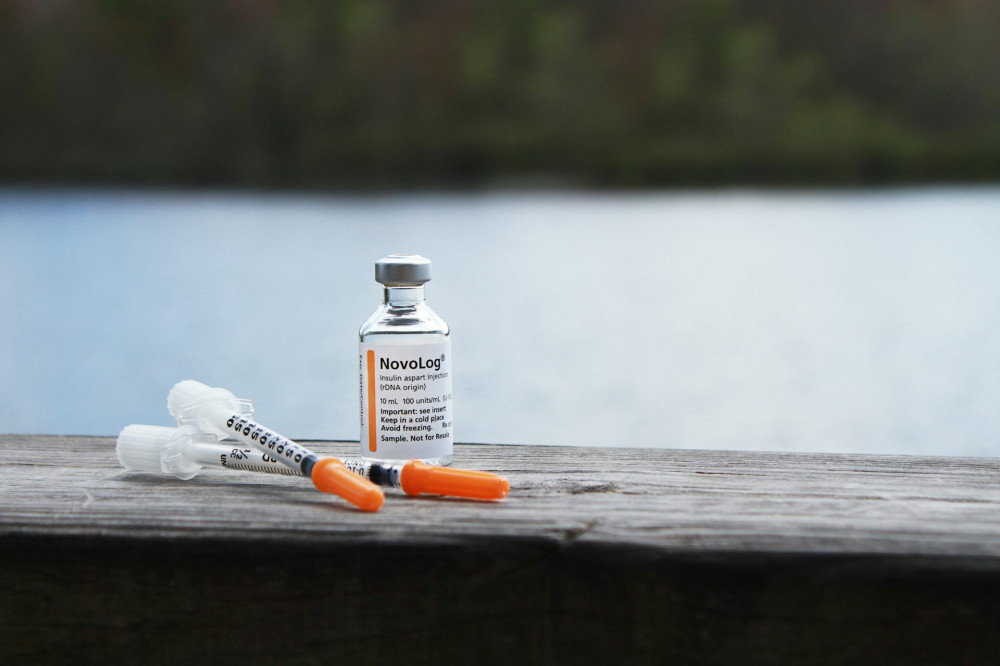
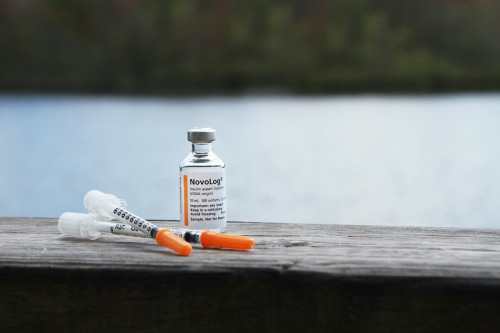
- Insulin and blood pressure medications may not work as well, since smoking affects blood vessels and the body’s sensitivity to these drugs.
- Birth control pills combined with smoking increase the risk of blood clots, especially in women over 35.
If you quit smoking, your body may start breaking down medications more slowly, which can make them stronger than before. That’s why it’s important to talk to your doctor about adjusting your dosage when you stop smoking.
When Lifestyle Changes Affect Your Treatment
It’s not just what you eat, drink, or smoke that matters—it’s also how consistent your habits are. Sudden changes in diet, alcohol intake, or smoking can alter how your medication works. Always let your healthcare provider know if you make lifestyle changes so your treatment can be adjusted if needed.
Keeping a simple medication log—when you take your medicine and how you feel—can help you and your doctor spot any changes early.
Talk to Your Pharmacist – and Stay Informed
Your pharmacist is a valuable resource for understanding how your lifestyle can affect your medications. They can tell you how to take your medicine properly and what foods, drinks, or habits to watch out for.
Remember, even natural products and supplements can interact with prescription drugs. The best approach is to be open about everything you take—prescriptions, over-the-counter medicines, and herbal products.
Understanding how diet, alcohol, and smoking influence medications isn’t just about avoiding side effects—it’s about getting the most benefit from your treatment and protecting your health.
Læs også: