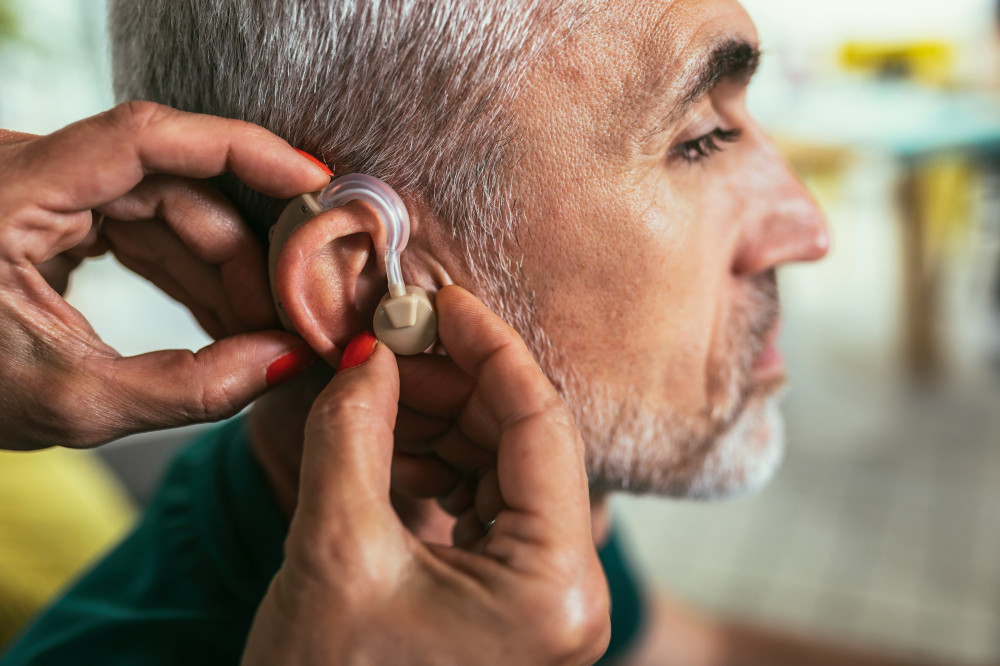
Get the Most Out of Your Hearing Aid in Everyday Listening Environments

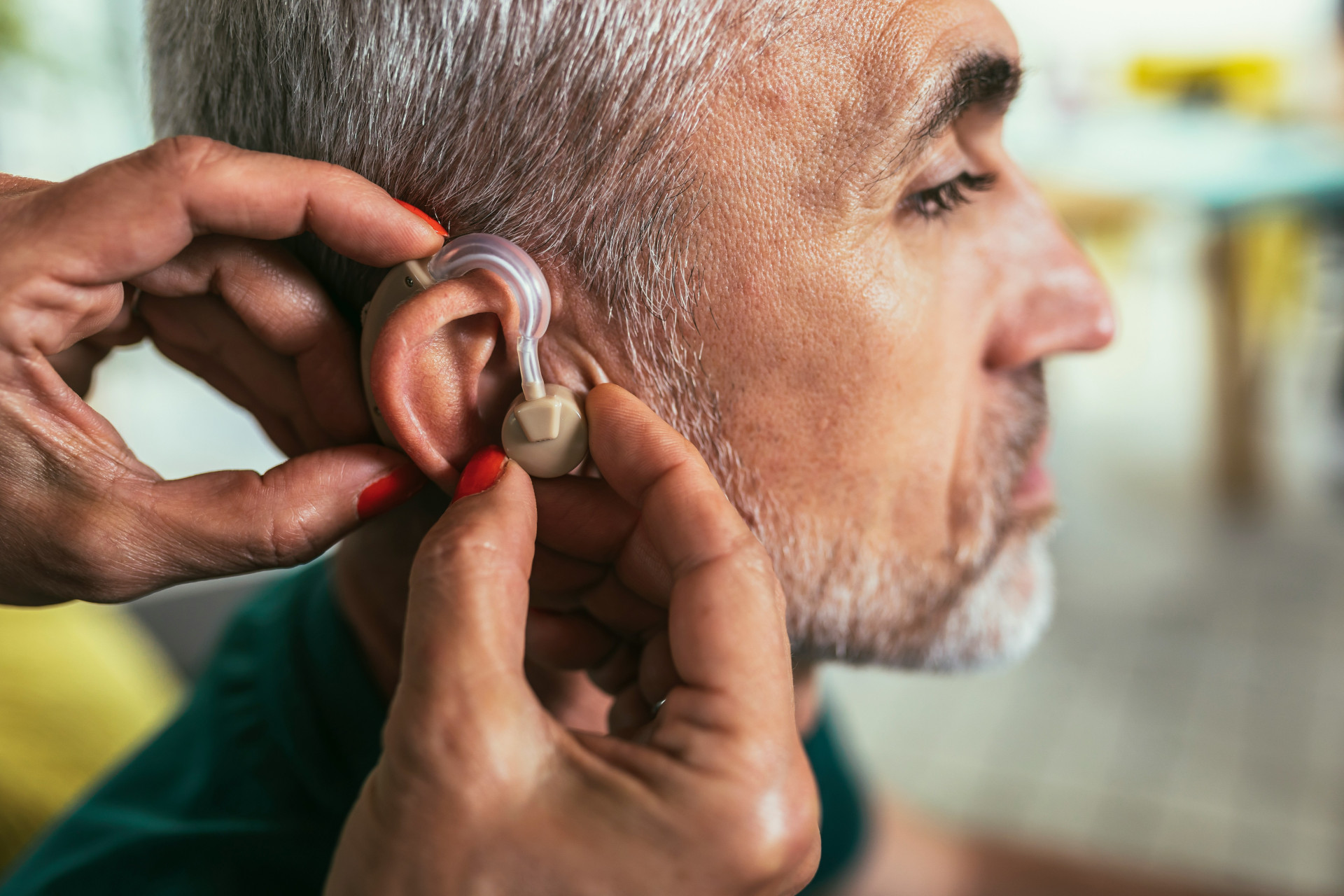
Get the Most Out of Your Hearing Aid in Everyday Listening Environments
A modern hearing aid can make a world of difference—but to truly benefit from it, you need to learn how to use it actively in the many listening environments you encounter each day. From quiet living rooms to busy restaurants and windy walks, your surroundings can change dramatically, and that puts demands on both your device and you as the user. Here’s a guide to help you get the most out of your hearing aid in everyday situations.
Understand Your Hearing Aid’s Features
Today’s hearing aids are small technological marvels. They can automatically adjust to different sound environments, reduce background noise, and focus on speech. But to take full advantage, it’s important to understand their key features.
- Programs and sound profiles: Many hearing aids come with preset programs for quiet settings, noisy environments, or music. Learn how to switch between them—either manually or through a smartphone app.
- Directional microphones: These help you focus on sounds in front of you, such as during a conversation, while reducing background noise.
- Bluetooth and accessories: You can often connect your hearing aid to your phone, TV, or computer, streaming sound directly to your ears for a clearer and more comfortable experience.
The better you know your device, the easier it becomes to adapt to different listening situations.
At Home – Comfort and Natural Sound
Home is often where your hearing aid feels most natural. The sound environment is usually calm, making it a great place to get used to your device.
- If you’re a new user, start with short periods and gradually increase the time you wear your hearing aid.
- Listen to familiar sounds—like the coffee maker, doorbell, or TV—so you can learn how they sound with your device.
- Adjust the volume so speech sounds natural, and avoid turning it up too high.
If sounds seem too sharp or metallic, your hearing care professional can fine-tune the settings for you.
At Work – Focus in Conversations and Meetings
Workplaces can be challenging, with multiple voices, background noise, and changing acoustics. The goal is to create the best possible conditions for hearing and participating actively.
- Sit where you can see the person speaking—lip reading helps your brain process speech more easily.
- Use your hearing aid’s “meeting” or “speech-in-noise” program if available.
- Consider using a wireless microphone accessory that can be placed near the speaker and send sound directly to your hearing aids.
Let your coworkers know you use hearing aids—it helps them understand how to communicate more effectively, such as by speaking clearly and avoiding talking over one another.
In Social Settings – Restaurants, Parties, and Cafés
Noisy environments are among the biggest challenges for hearing aid users. Here, it’s important to use your device’s features strategically.
- Choose a table away from speakers, kitchens, or other noise sources.
- Use your directional microphone to focus on the person you’re talking to.
- Activate your hearing aid’s noise reduction program if it has one.
- Take breaks—filtering multiple sounds at once can be tiring for your brain.
It’s completely normal to feel fatigued after social events. Give yourself time to rest afterward.
Outdoors – Wind, Traffic, and Nature Sounds
When you step outside, the sound environment changes dramatically. Wind noise, traffic, and open spaces can all affect your hearing experience.
- Use wind noise reduction if your hearing aid offers it, or consider a small windscreen over the microphone.
- Stay alert to traffic sounds, especially when walking or biking in busy areas.
- Enjoy the sounds of nature—birds, waves, and rustling leaves. It may take time to get used to them, but they’re an important part of regaining a natural sense of hearing.
If you spend a lot of time outdoors, ask your hearing care provider about a program specifically tailored for outdoor listening.
At the Movies, Theater, and Concerts
Cultural experiences can be even more enjoyable with the right setup. Many venues in the U.S. offer hearing assistance systems such as telecoils or wireless streaming that send sound directly to your hearing aids.
- Ask staff if assistive listening devices are available.
- Use your hearing aid’s music program if it has one—it provides a more natural sound balance and dynamic range.
- If the sound feels too loud, lower the volume slightly instead of removing your hearing aids.
Being able to enjoy music, movies, and live performances again is one of the great rewards of using hearing aids.
Læs også:
Maintenance and Follow-Up
Your hearing aids need a bit of care to perform their best. Clean them regularly to remove wax and moisture, and store them in a dry place overnight. If you live in a humid climate or sweat a lot, a drying box can help extend their lifespan.
Schedule regular checkups with your hearing care professional. Small adjustments can make a big difference, especially as your hearing needs evolve over time.
Listen to Yourself – and to the World
Using hearing aids isn’t just about technology—it’s also about patience and adaptation. The more you wear them, the better your brain becomes at interpreting the sounds around you. With the right mindset and a little practice, you can rediscover the joy of hearing the world in all its richness—from quiet conversations to the vibrant hum of everyday life.
Læs også: