When Allergies and Sinus Problems Affect the Ears


When Allergies and Sinus Problems Affect the Ears
Many people know the feeling: pressure in the ears, muffled hearing, or a popping sound when swallowing. Often, the problem doesn’t start in the ear itself but in the nose and sinuses—and allergies are frequently part of the story. The connection between the ears, nose, and sinuses is closer than most realize, and when one area becomes inflamed, the others can quickly be affected.
How the Ear Connects to the Nose and Sinuses
The ears, nose, and throat are linked through a small passage called the Eustachian tube, which connects the middle ear to the back of the throat. Its job is to equalize air pressure on both sides of the eardrum. When you fly on an airplane or drive through the mountains, it’s this tube that helps your ears “pop” to adjust to pressure changes.
If the lining of the nose or sinuses becomes swollen—because of allergies, a cold, or sinus infection—the Eustachian tube can become partially blocked. Air can’t move freely, and pressure builds up in the middle ear. The result is often a feeling of fullness, mild hearing loss, or a crackling sensation.
Læs også:


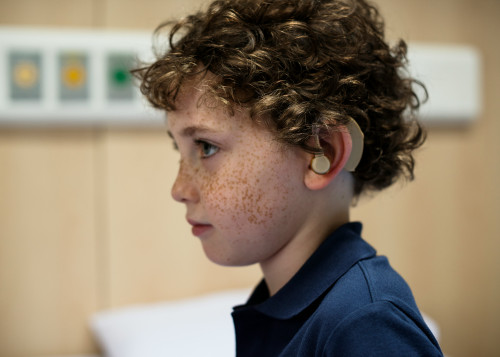
When Allergies Affect the Ears
Allergies occur when the immune system reacts to substances such as pollen, dust mites, or pet dander. The nasal passages and sinuses become inflamed and produce extra mucus. This swelling can block the Eustachian tube and lead to ear discomfort.
People with seasonal allergies often notice ear symptoms in the spring and fall, when pollen counts are high. Those with year-round allergies may experience more constant issues. Common ear-related symptoms include:
- A feeling of pressure or fullness in the ears
- Temporary hearing loss or muffled sounds
- Increased risk of middle ear infections
- Occasional dizziness or balance problems
Taking allergy symptoms seriously can help protect not only your nose and sinuses but also your hearing and ear health.
Sinus Infections and Ear Pressure
A sinus infection (sinusitis) occurs when the sinus linings become inflamed and swollen, often due to a cold or allergies. When the sinuses are congested, the pressure changes can affect the Eustachian tube and middle ear.
Many people describe a “plugged” or “underwater” feeling in their ears during a sinus infection. This happens because air can’t move freely, and fluid may build up behind the eardrum. In some cases, bacteria can grow in this trapped fluid, leading to a middle ear infection.
What You Can Do at Home
There are several ways to relieve ear pressure and discomfort when allergies or sinus problems are the cause:
- Treat the underlying allergy. Over-the-counter antihistamines, nasal corticosteroid sprays, or allergy shots (immunotherapy) can reduce inflammation.
- Keep nasal passages clear. Use saline sprays or nasal rinses to flush out allergens and mucus.
- Limit exposure to triggers. Keep windows closed during high pollen days, use air purifiers, and wash bedding frequently if you’re sensitive to dust mites.
- Chew gum or swallow often. These actions help open the Eustachian tube and equalize ear pressure.
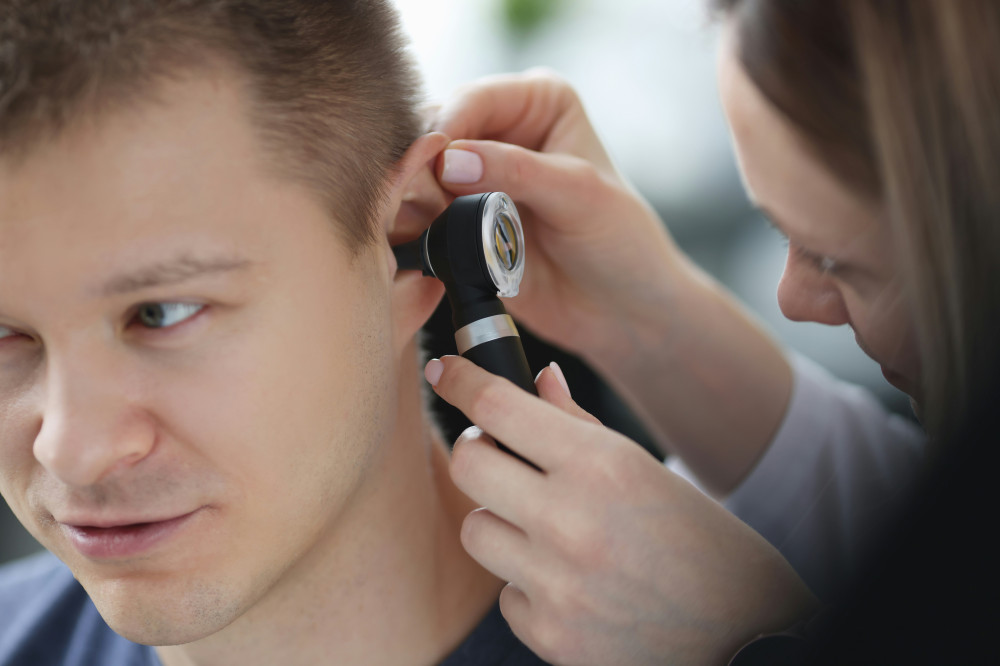
- See a healthcare provider. If symptoms persist or you experience pain, a doctor can check for fluid buildup or infection and recommend appropriate treatment.
When to Seek Medical Help
If you have ongoing ear pressure, hearing changes, or pain, it’s best to consult an ear, nose, and throat (ENT) specialist. A thorough exam can determine whether the problem stems from allergies, sinus issues, or another cause. Sometimes, treating nasal inflammation is enough to restore normal ear function.
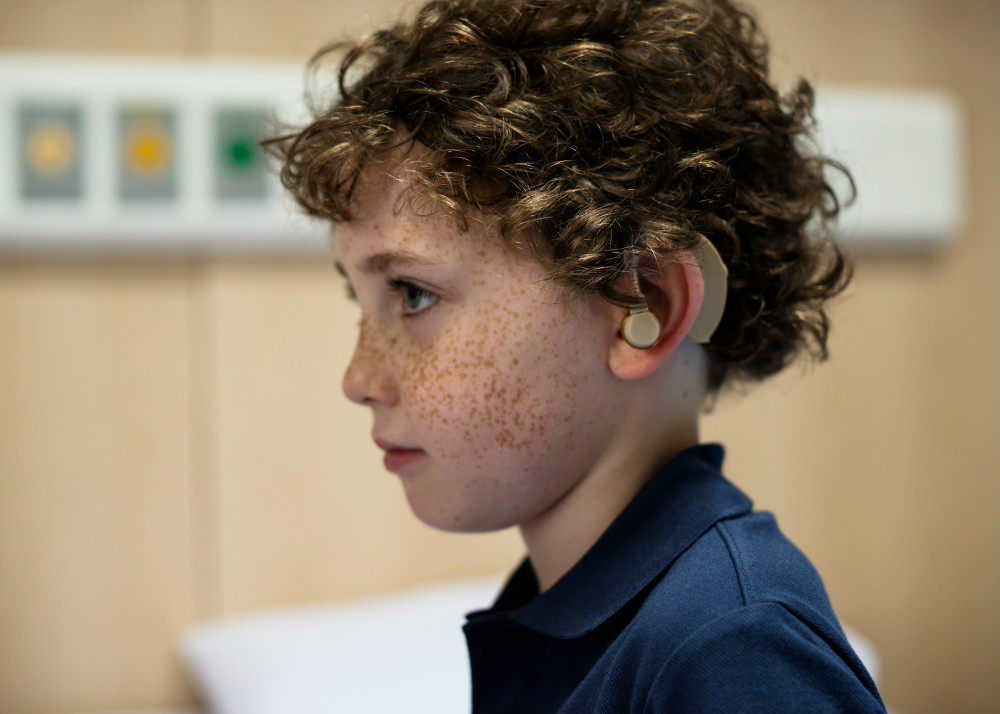
Children are especially prone to fluid buildup in the middle ear due to allergies or frequent colds. If left untreated, this can affect hearing and speech development, so early evaluation is important.
A Whole-System Approach
Ear problems rarely occur in isolation. The ears, nose, and sinuses form an interconnected system, and inflammation in one area can easily affect the others. By addressing allergies and sinus health together, you can often prevent ear discomfort and maintain better overall well-being.
Managing allergies and sinus issues isn’t just about breathing easier—it’s also about protecting your hearing and keeping your ears healthy year-round.
Læs også: