Pressure in Your Ears? Here’s Why They “Pop” – and How to Relieve It

Pressure in Your Ears? Here’s Why They “Pop” – and How to Relieve It
Most people know the feeling: you’re on a plane, driving through the mountains, or diving underwater—and suddenly your ears feel “plugged.” A moment later, you might hear a small “pop,” and the pressure eases. But what’s actually happening inside your ears, and how can you help them adjust?
The Ear’s Pressure-Equalizing System – A Tiny Mechanical Wonder
Your ear isn’t just a hollow space that catches sound. It’s a complex system, and the middle ear plays a key role. The middle ear connects to the back of your throat through a small passage called the Eustachian tube. This tube helps keep the air pressure on both sides of your eardrum balanced.
When you feel pressure in your ears, it’s because the air pressure around you changes faster than your Eustachian tube can adjust. The eardrum becomes stretched or pulled inward, creating that “full” or “blocked” sensation. When the tube finally opens—often when you swallow, yawn, or chew—the pressure equalizes, and you hear that familiar “pop.”
When Does Ear Pressure Happen?
You can experience ear pressure in many everyday situations where air pressure changes quickly:
- During air travel, especially during takeoff and landing, when cabin pressure shifts rapidly.
- While driving through mountains or tunnels, as elevation changes affect air pressure.
- When scuba diving or swimming underwater, where water pressure increases with depth.
- When you have a cold, sinus infection, or allergies, which can cause swelling that blocks the Eustachian tube.
In most cases, this pressure is harmless. But if your ears can’t equalize properly, it can cause discomfort, muffled hearing, or—rarely—damage to the eardrum.
Læs også:


How to Relieve Ear Pressure
There are several simple ways to help your ears “pop” and relieve pressure:
- Swallow or yawn – these actions activate muscles that open the Eustachian tube.
- Chew gum or suck on candy – this keeps the tube working, especially during flights.
- Try the Valsalva maneuver – gently pinch your nose, close your mouth, and blow softly as if you’re trying to exhale through your nose. This can help open the tube and balance pressure.
- Keep your nasal passages clear – if you’re congested, a saline spray or short-term use of a decongestant spray may help, but avoid using medicated sprays for more than a few days in a row.
If you’re diving, equalize your ears frequently as you descend—never force it if it doesn’t work, as that can injure your ear.
When the Pressure Doesn’t Go Away
Sometimes, that “plugged” feeling can last for days. This may be due to fluid in the middle ear, an infection, or a persistent blockage of the Eustachian tube. Common symptoms include:
- A dull or “full” sensation in the ear
- Mild hearing loss
- Ringing or buzzing sounds (tinnitus)
- Pain, especially during quick pressure changes
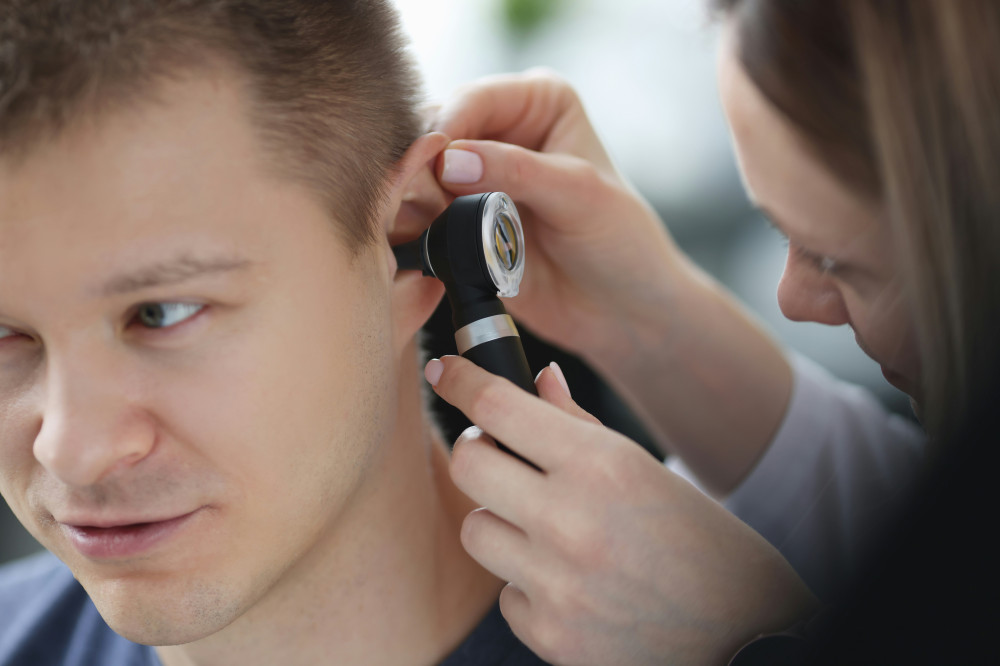
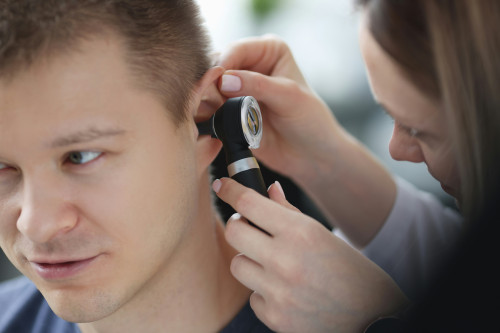
If these symptoms persist, it’s best to see a healthcare provider or an ear, nose, and throat (ENT) specialist. They can check for fluid, infection, or other issues that might need treatment.
Can You Prevent Ear Pressure?
You can’t completely avoid pressure changes, but you can reduce the discomfort:
- Avoid flying or diving if you have a cold or sinus infection.
- Use a nasal spray before takeoff and landing if you’re prone to congestion.
- Stay hydrated during flights—dry cabin air can irritate your nasal passages.
- Practice gentle pressure equalization techniques regularly, especially if you dive.
For most people, ear pressure is just a temporary annoyance—but it’s also a fascinating reminder of how your body constantly works to stay in balance, even in something as small as your ear.
Læs også: