Middle Ear Problems Throughout Life: How They Affect Children, Adults, and Seniors

Middle Ear Problems Throughout Life: How They Affect Children, Adults, and Seniors
The middle ear plays a vital role in hearing—it’s where sound waves are converted into vibrations that travel to the inner ear. When something goes wrong in this small but complex space, it can affect hearing, balance, and overall quality of life. While the causes and symptoms vary, many people experience middle ear problems at some point in their lives—from frequent infections in childhood to pressure issues and hearing loss later on. Here’s a look at how these problems appear at different stages of life and what can be done about them.
Children: Frequent Infections and Fluid Buildup
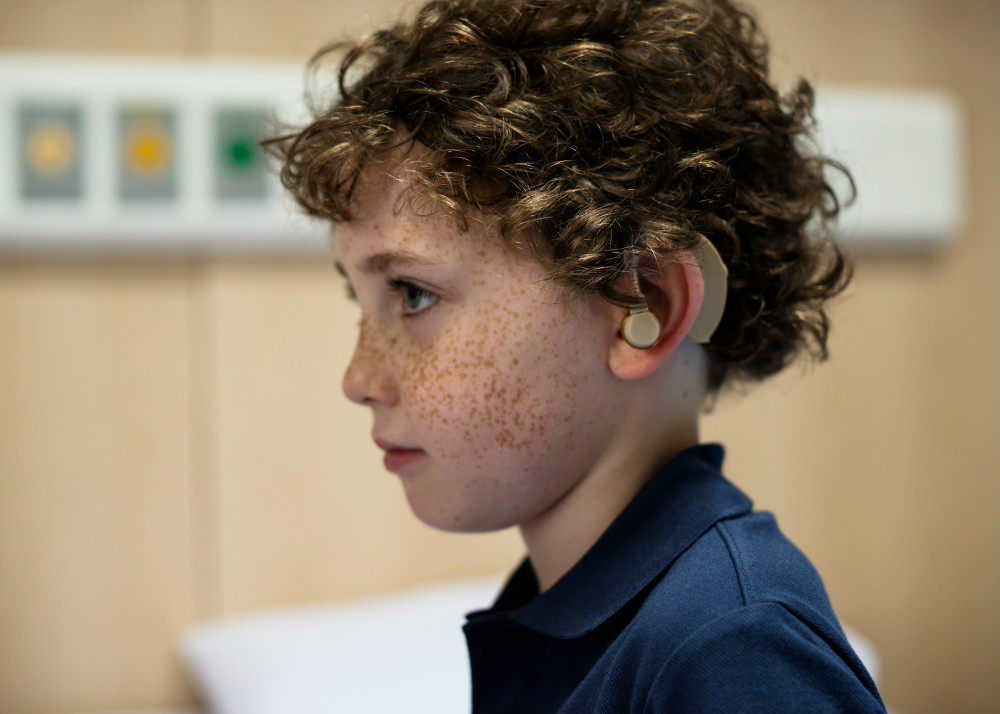
Middle ear problems are especially common in children. Their Eustachian tubes—the small passages connecting the middle ear to the back of the throat—are shorter and more horizontal than in adults, making it easier for bacteria and viruses to reach the middle ear and cause infection.
Typical symptoms include ear pain, fever, irritability, and temporary hearing loss. Many parents recognize the telltale sign of a child waking up at night crying from ear pain. In some cases, the eardrum may rupture, allowing fluid or pus to drain out and relieving the pain.
Most ear infections clear up on their own, but repeated infections can lead to fluid buildup behind the eardrum, known as “otitis media with effusion.” This can cause temporary hearing loss and may affect speech development. In such cases, an ear, nose, and throat (ENT) specialist may recommend ear tubes—tiny ventilation tubes that help equalize pressure and drain fluid.
Adults: Pressure Issues, Pain, and Chronic Conditions
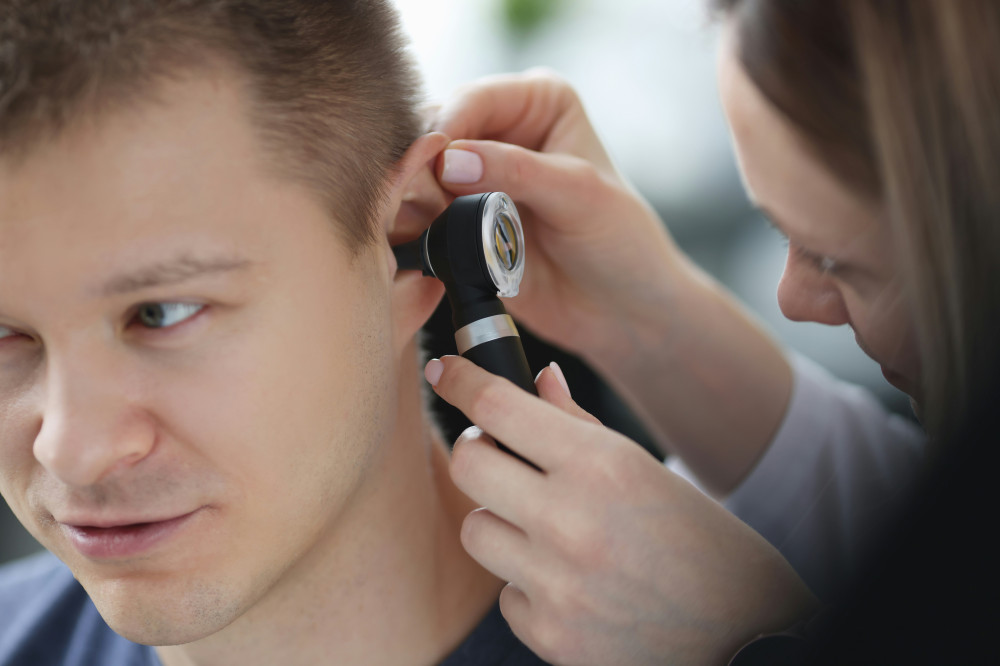
Acute ear infections are less common in adults, but pressure problems and chronic irritation can still occur. Many adults experience discomfort during air travel, scuba diving, or when congested from a cold or allergies. When the Eustachian tube doesn’t open properly, it can cause a feeling of fullness, muffled hearing, or ringing in the ears.
Some adults develop chronic middle ear infections, which may involve persistent fluid, a perforated eardrum, or recurring infections. These can result from earlier ear problems, allergies, or structural issues. In rare cases, a growth called a cholesteatoma—a cyst-like collection of skin cells—can form in the middle ear and requires surgical treatment.
Treatment depends on the cause. Nasal sprays, decongestants, and pressure-equalizing exercises can help, and antibiotics may be prescribed if a bacterial infection is suspected. For ongoing issues, an ENT specialist can evaluate whether surgery or ear tubes are needed.
Læs også:


Seniors: Age-Related Changes and Reduced Function
As people age, the structures of the ear gradually change. The lining of the Eustachian tube becomes thinner, and its function may weaken, making it harder to equalize pressure. Fluid can accumulate more easily, and scarring from past infections or surgeries can further affect hearing.
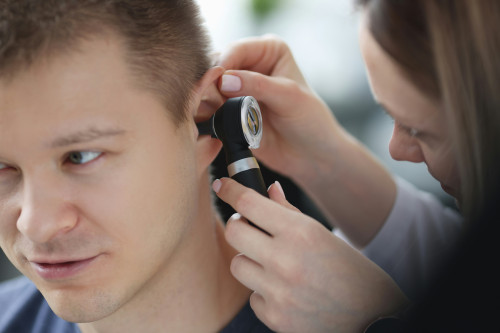
For older adults, middle ear problems often compound existing hearing loss. This can lead to communication difficulties, social withdrawal, and fatigue. Regular ear checkups are important—not only to assess hearing but also to identify treatable middle ear conditions.
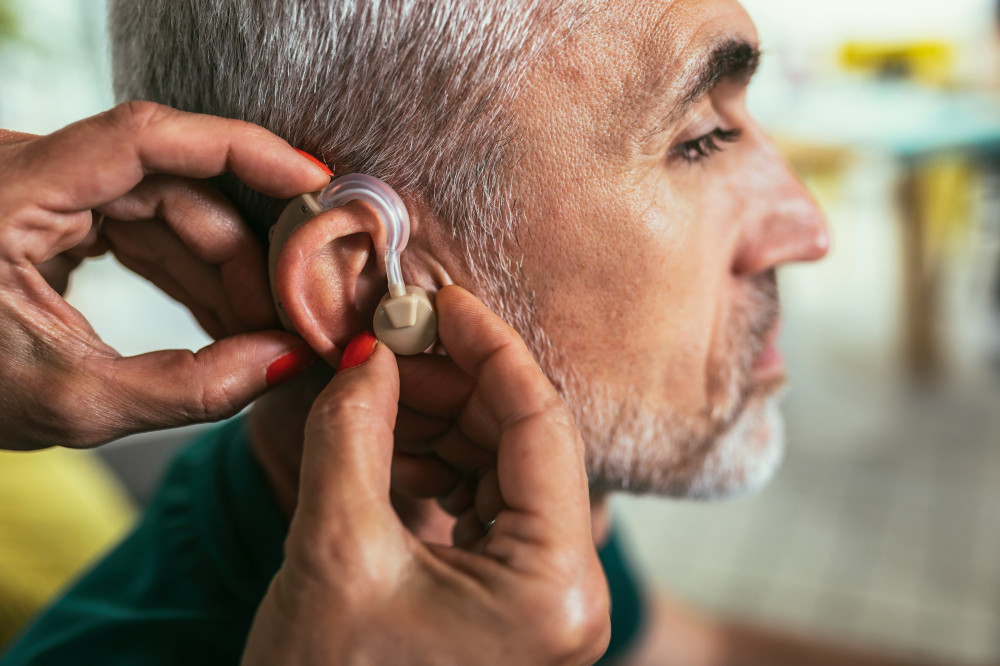
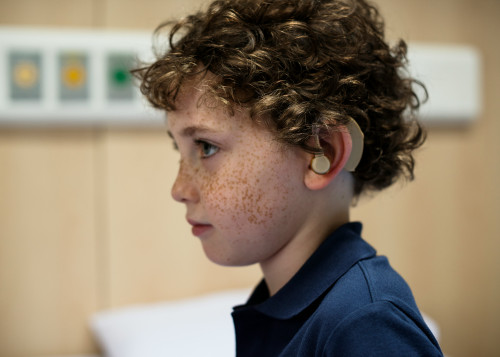
Treatment may include earwax removal, ear tubes, hearing aids, or medication for infections. In some cases, physical therapy targeting the jaw and throat muscles can help improve Eustachian tube function and pressure regulation.
When to See a Doctor
Regardless of age, it’s important to seek medical attention if you experience:
- Persistent ear pain or pressure
- Hearing loss that doesn’t improve
- Fluid or pus draining from the ear
- Dizziness or balance problems
- Recurrent ear infections
Early diagnosis and treatment can prevent complications and preserve hearing. For children, timely care supports speech and learning, while for adults and seniors, it can significantly improve daily comfort and communication.
A Lifelong Connection to Our Ears
The middle ear is a small but intricate system influenced by age, anatomy, and environment. From childhood infections to age-related pressure changes, it reminds us how delicate our hearing mechanism is—and how important it is to protect it. With awareness, prevention, and timely treatment, most middle ear problems can be managed effectively, helping maintain good hearing and quality of life at every stage.
Læs også: