Keep an Eye on Your Hearing – Prevent Hearing Loss Before It Starts

Keep an Eye on Your Hearing – Prevent Hearing Loss Before It Starts
Hearing is one of our most overlooked senses—until it starts to fade. Many people don’t notice a hearing problem until it begins to interfere with daily life: when conversations become harder to follow, or when the TV volume keeps creeping up. But hearing loss often develops gradually, which is why it’s so important to recognize the early signs and take prevention seriously.
Here’s what you need to know to protect your hearing—before damage occurs.
Hearing Wears Down Slowly—but Surely
Most types of hearing loss are caused by gradual damage to the tiny sensory cells in the inner ear. These cells convert sound into electrical signals that the brain can interpret. Once they’re damaged, they can’t be repaired or replaced.
Noise is the biggest culprit. Repeated exposure to loud sounds—at work, concerts, sporting events, or through headphones—can lead to permanent hearing loss over time. Age, illness, and certain medications can also play a role.
That’s why prevention is far more effective than treatment. The earlier you start protecting your hearing, the better your chances of keeping it strong for life.
Læs også:
Recognize the Early Signs
Early hearing loss can be tricky to notice because the brain compensates for it for quite a while. Still, there are common warning signs you should pay attention to:
- You struggle to follow conversations in noisy places.
- You often ask people to repeat themselves.
- The TV or radio volume needs to be higher than before.
- You experience ringing or buzzing in your ears (tinnitus).
- You feel tired after social gatherings because listening takes extra effort.
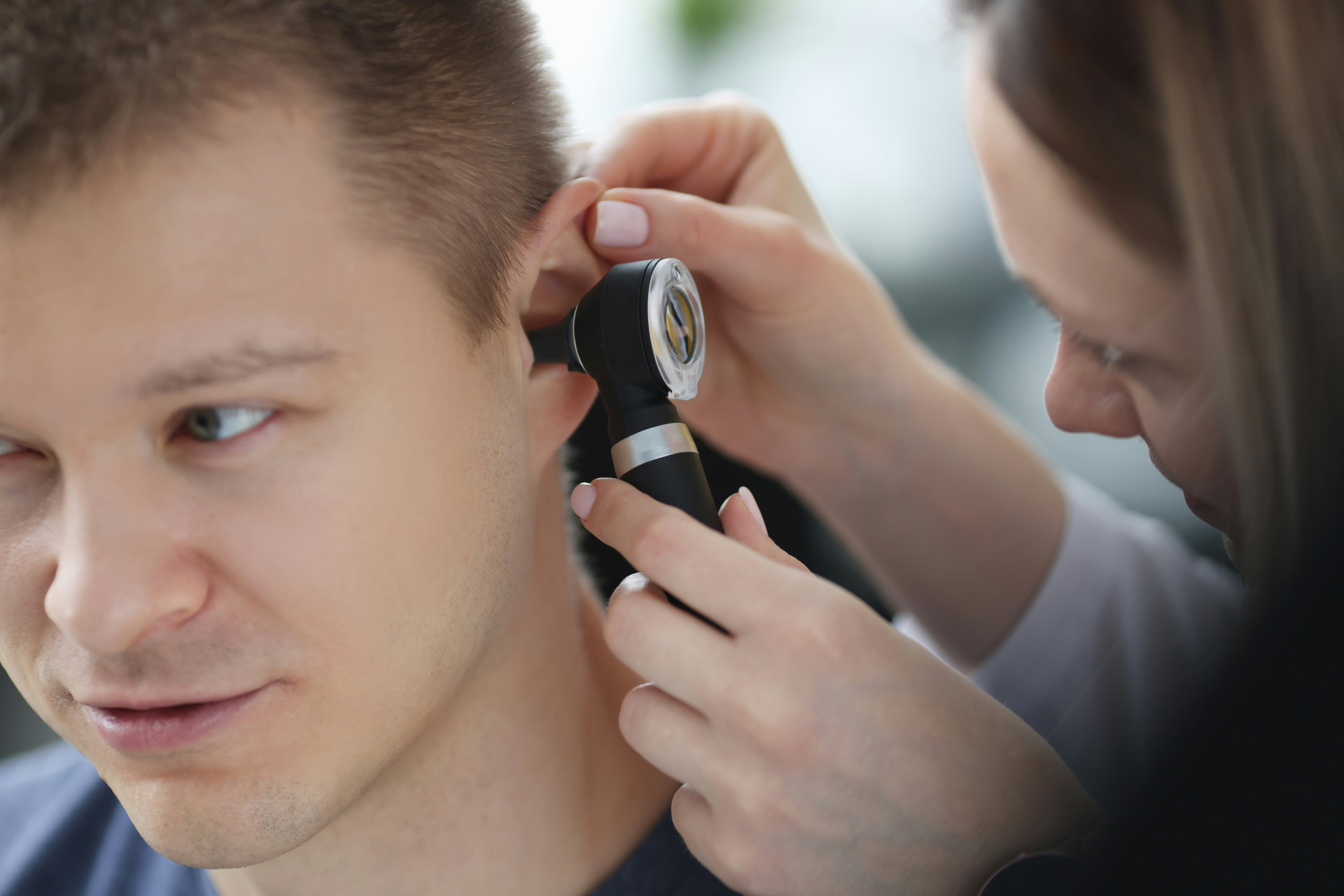
If any of these sound familiar, it’s a good idea to schedule a hearing test—even if you think your hearing is “good enough.”
Everyday Habits That Protect Your Hearing
Preventing hearing loss isn’t just about avoiding extreme noise—it’s about making smart choices every day. Here are some simple habits that make a big difference:
- Use hearing protection at concerts, when mowing the lawn, or when using power tools. Modern earplugs reduce volume without distorting sound.
- Turn down the volume on headphones, especially during long listening sessions. A good rule of thumb: you should still be able to hear what’s going on around you.
- Give your ears a break. After loud activities, let your hearing rest in a quiet environment.
- Be aware of medications. Some antibiotics, chemotherapy drugs, and pain relievers can affect hearing—ask your doctor if you’re unsure.
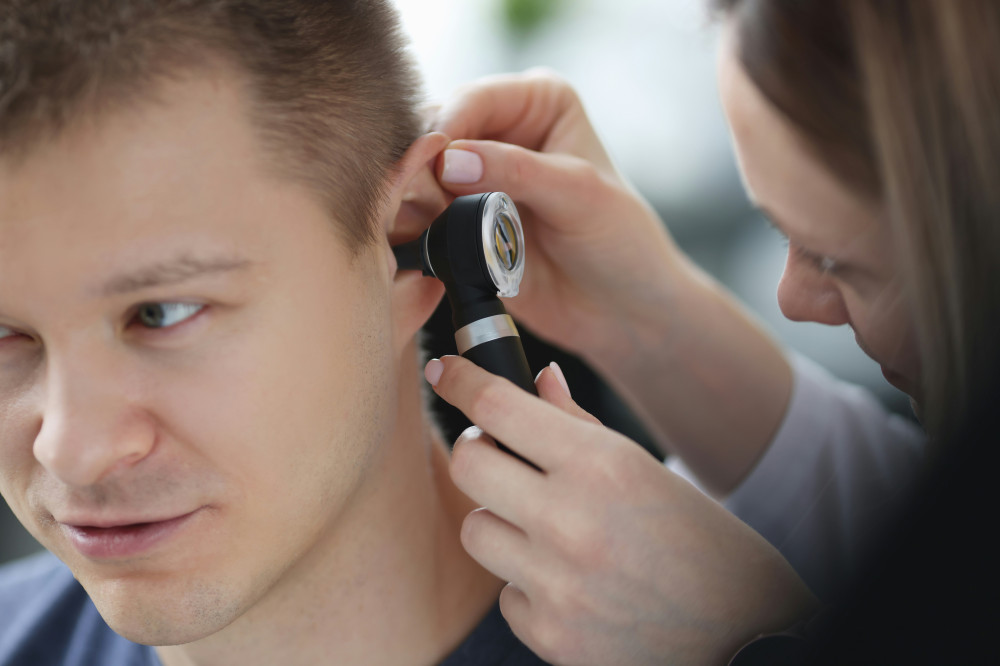
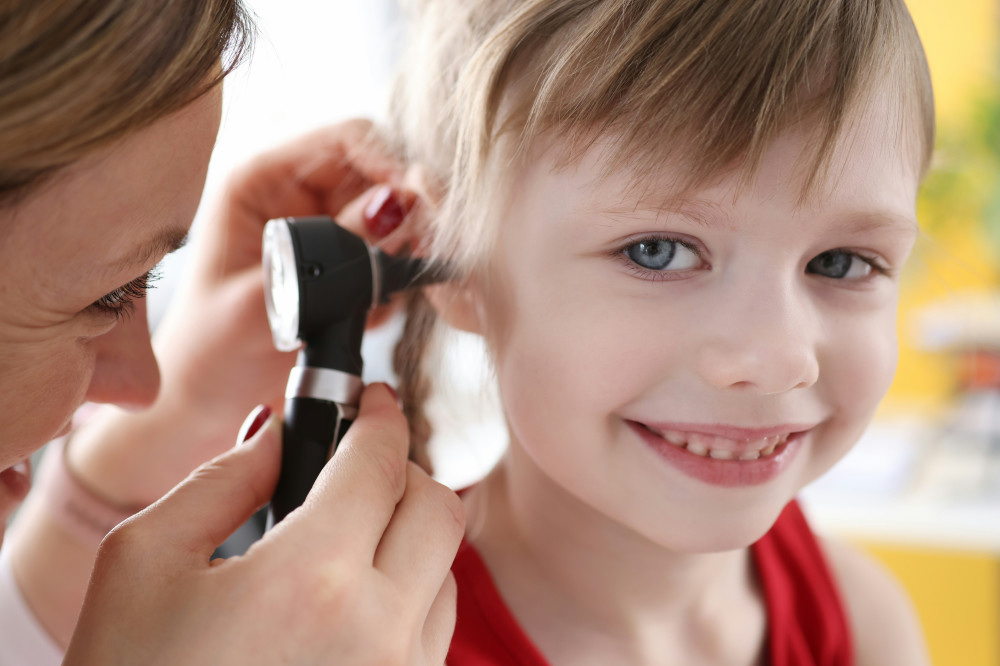
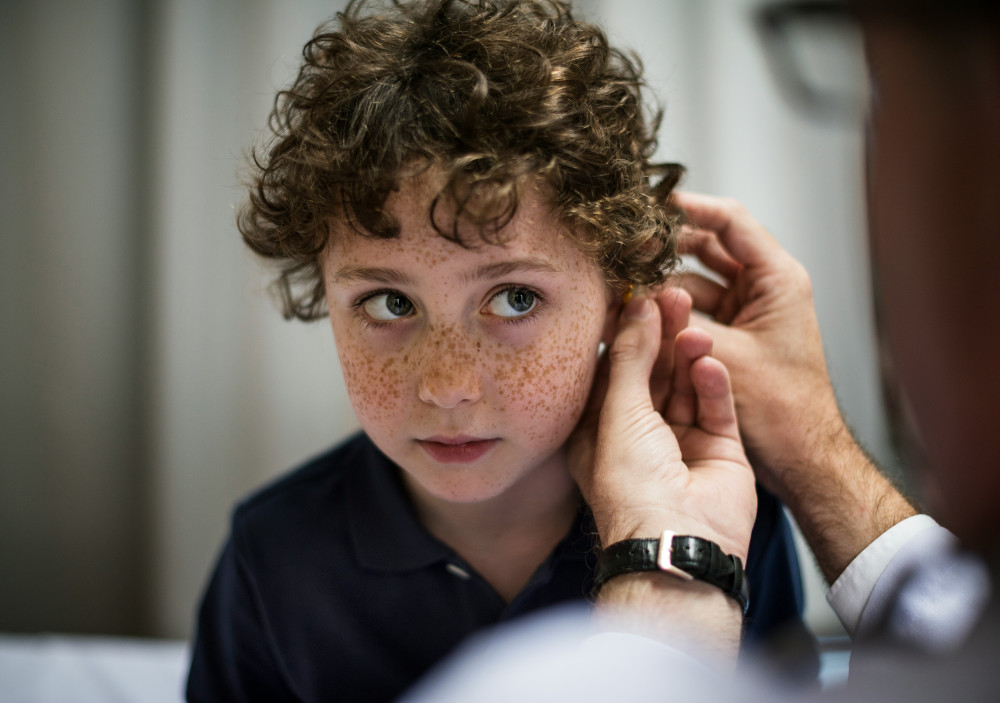
- Get regular hearing checkups. Just like eye exams, hearing tests should be part of your routine health care—especially if you’re over 50 or work in noisy environments.
Small changes in your daily habits can help preserve your hearing well into the future.
Hearing Loss Affects More Than Just Sound
Untreated hearing loss isn’t only about missing sounds—it can also impact your overall well-being. Many people withdraw socially because conversations become exhausting. Research shows that untreated hearing loss can increase the risk of loneliness, stress, and even cognitive decline.
That’s why it’s important to take hearing issues seriously—not as a sign of aging, but as a vital part of your health, just like vision or fitness.
Technology Can Help—but Prevention Is Best
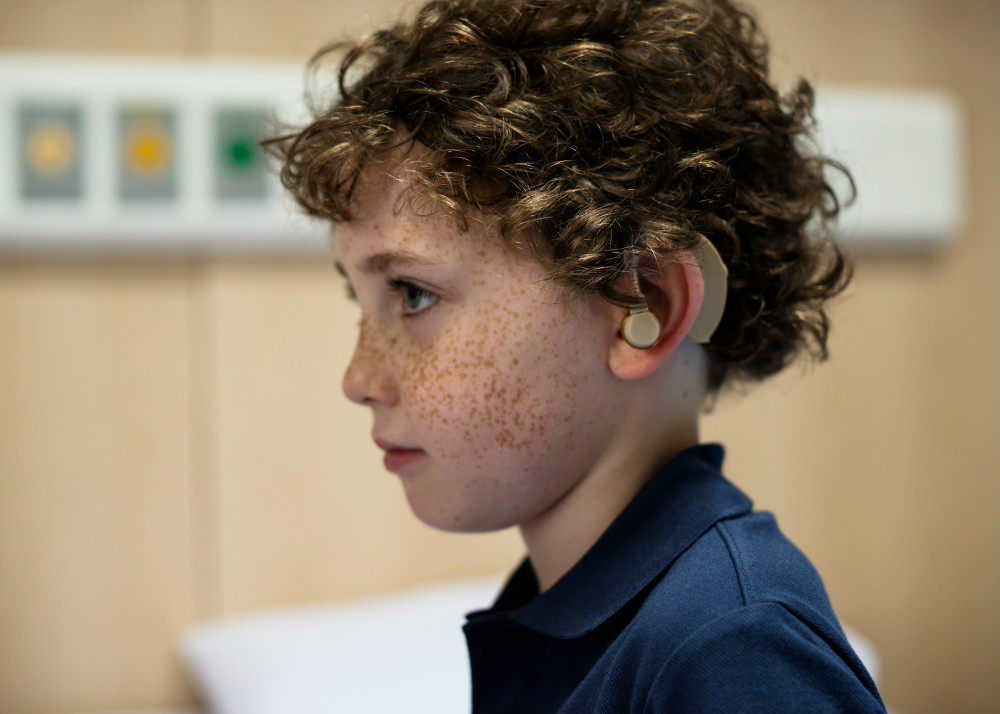
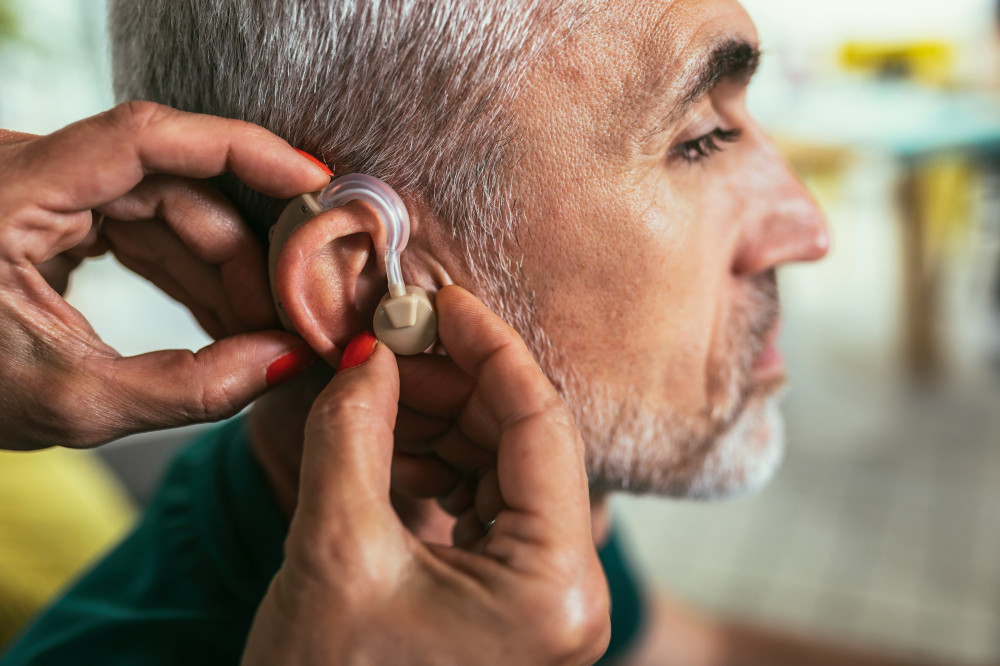
Modern hearing aids are smaller, smarter, and more effective than ever. They can make a huge difference for those who need them. But even the best technology can’t fully restore natural hearing.
That’s why prevention is key—no matter your age. Protecting your hearing today is an investment in your quality of life tomorrow.
Take Charge of Your Hearing Health
Hearing connects us to people, experiences, and the world around us. By staying alert to noise exposure, responding to early warning signs, and getting regular hearing tests, you can do a lot to preserve it.
Preventing hearing loss isn’t about avoiding sound—it’s about listening wisely.
Læs også: